
The Taj Mahal draws millions of visitors each year, and without a plan, you could spend more time in queues than admiring the monument. But with the right timing, you can enjoy this UNESCO World Heritage Site in relative calm — and actually take in the beauty you came for.
Quick answer: The best time to visit the Taj Mahal to avoid crowds is at sunrise on a weekday during the shoulder months of September–November or February–March. Arriving at the gate before it opens — roughly 30 minutes before sunrise — gives you the smallest crowds, softest light, and a genuinely peaceful first impression.
Why Sunrise Is the Least Crowded Time at the Taj Mahal
If you only take one piece of advice from this guide, let it be this: visit at sunrise.
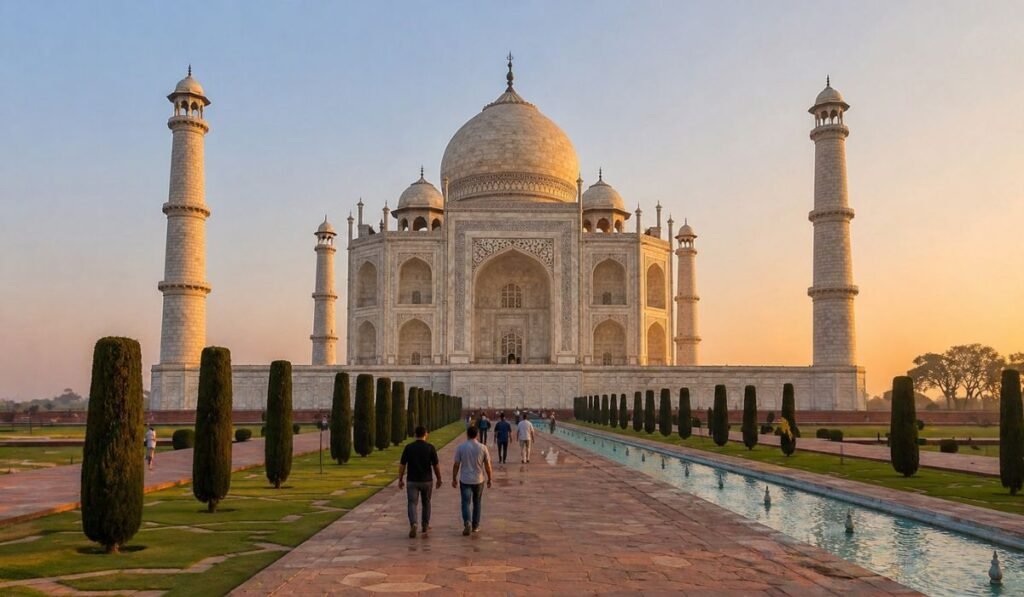
The Taj Mahal opens 30 minutes before sunrise. At that hour, most tour groups haven’t arrived yet, independent travelers are still at breakfast, and the monument feels remarkably quiet. You’ll share the gardens with a handful of early risers instead of hundreds of midday visitors.
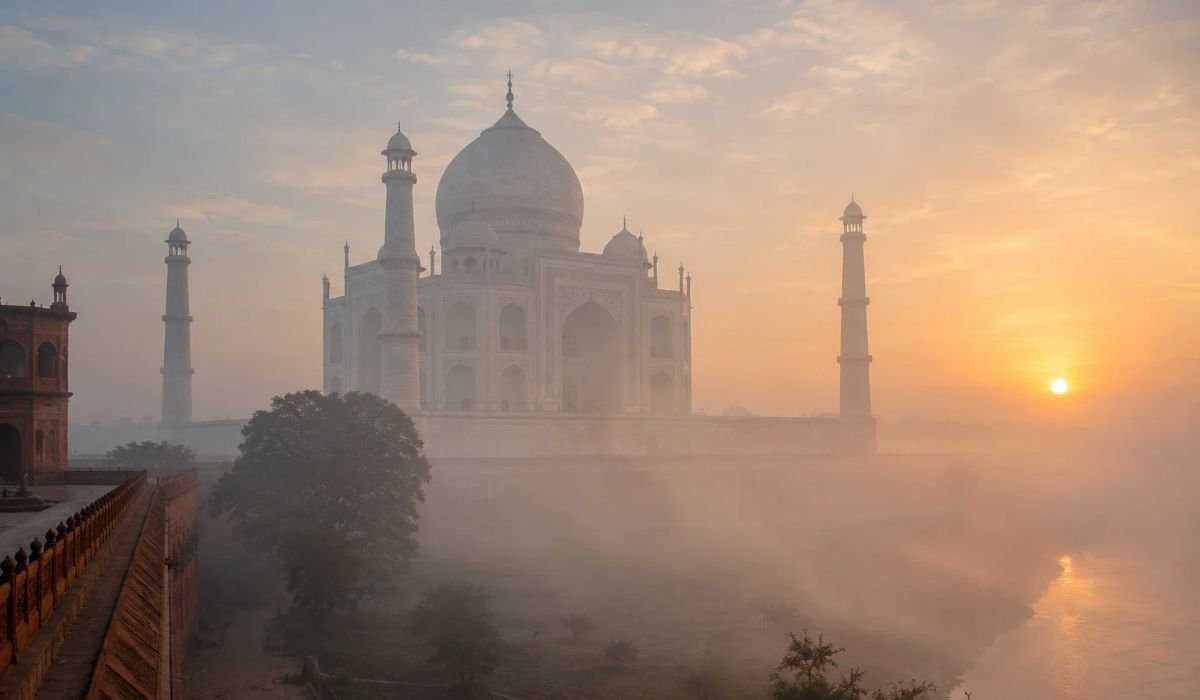
Beyond the crowd advantage, Taj Mahal sunrise is the most photographically rewarding time. The marble catches the first warm light of day, shifting from soft grey to pale gold to white. It’s a completely different experience from a midday visit. For more on getting the perfect shot, our guide to photographing the Taj Mahal covers the best angles and lighting conditions.
The catch? You need to arrive early — ideally 30 to 45 minutes before the gate opens. Ticket counters open about an hour before sunrise, and booking tickets online in advance through the official ASI website can save valuable time.
How Crowd Levels Change Throughout the Day
Understanding the daily rhythm helps you plan your visit strategically.
| Time of Day | Expected Crowd Level | Weather (Oct–Mar) | Photography | Recommendation |
|---|---|---|---|---|
| Sunrise – 8 AM | Low | Cool, pleasant | Excellent — golden light, soft shadows | Best overall window |
| 8 AM – 11 AM | Moderate, rising | Comfortable | Good — bright, even light | Solid alternative if sunrise isn’t possible |
| 11 AM – 2 PM | High — peak crowds | Hot, harsh sun | Difficult — flat light, strong glare | Avoid if possible |
| 2 PM – 4 PM | High | Warm | Improving — afternoon light returns | Better than midday, still busy |
| 4 PM – Sunset | Moderate to high | Cooling | Beautiful — warm sunset tones | Good for a second visit or sunset views |
The midday hours between 11 AM and 2 PM are consistently the busiest. Large tour groups from Delhi typically arrive around 10–11 AM, and school groups are common on weekday mornings during the academic year. By early afternoon, the combination of heat and crowds makes for a less comfortable visit.
Planning a Crowd-Free Taj Mahal Visit?
Plan your Taj Mahal visit at the right time with an early-morning itinerary, reliable local guidance, and a personalized Agra tour covering the Taj Mahal, Agra Fort and other major attractions. Get assistance from experienced Agra tour guide Mohd. Imran Khan.
Plan My Taj Mahal VisitBest Day to Visit the Taj Mahal
The Taj Mahal is closed every Friday for general visitors — only those attending prayers at the mosque may enter. This is a critical detail that catches many travelers off guard.
Among the remaining six days:
- Tuesday, Wednesday, and Thursday generally see the lowest footfall. These midweek days are your safest bet for a peaceful visit.
- Monday can be slightly busier, as visitors who planned for the weekend sometimes shift to Monday.
- Saturday and Sunday are the most crowded days, particularly during peak tourist season and Indian public holidays.
If your schedule allows any flexibility, aim for a Wednesday or Thursday morning visit. The combination of a midweek day and an early arrival makes a noticeable difference.
Best Month and Season to Visit the Taj Mahal
The best season to visit the Taj Mahal runs from October through March — India’s cooler winter months. The weather is comfortable, visibility is generally clear, and the marble is cool enough to walk on without shoe covers burning through.
Here’s how the seasons break down:
- October – November: Excellent weather, moderate tourist numbers, ideal for photography. The post-monsoon air is clean, making for sharp views.
- December – January: Peak tourist season — both foreign visitors and Indian holidaymakers. Weather is pleasant but mornings can be foggy, occasionally obscuring the monument until mid-morning.
- February – March: Warming up, but still comfortable. Tourist numbers begin to drop as the season winds down. A particularly good window for those who want pleasant weather without peak-season crowds.
- April – June: Hot to extremely hot. Temperatures in Agra can exceed 45°C (113°F). Visitor numbers drop significantly, but the heat makes extended visits uncomfortable.
- July – September: Monsoon season. Fewer tourists, but rain, humidity, and occasional closures due to weather can disrupt plans. The Taj Mahal takes on a unique atmosphere in the rain, but it’s not ideal for most first-time visitors.
For first-time visitors, the best month to visit the Taj Mahal is typically October or February — both offer comfortable temperatures, lower humidity, and manageable crowds outside the December–January rush.
Best Time by Traveler Type
Not every visitor has the same priorities. Here’s how to choose your timing based on your travel style:
- Photographers: Sunrise from October to March. The soft light and fewer people in the frame make this the ideal window. Consider reading our sunrise vs sunset comparison to decide which golden hour suits your plans.
- Families with children: A weekday morning between 7:30 and 10 AM in November or February. Early enough to beat the heat, but not so early that young children struggle with the wake-up.
- Couples: Sunrise on a weekday during shoulder season offers the most intimate experience. Full-moon night viewing (available five nights per month) is also memorable, though tickets must be booked at least 24 hours ahead.
- International tourists on a tight schedule: If you’re visiting from Delhi and have only one day, a same-day Taj Mahal tour by car ensures you arrive early and manage your time efficiently without worrying about logistics.
How Early Should You Arrive?
Plan to reach the entry gate 30 to 45 minutes before opening time. This sounds early, but the queue forms quickly even at sunrise, especially during peak season.
The Taj Mahal has two public entry gates: the East Gate and the West Gate. The East Gate is generally faster in the early morning. The South Gate is currently designated for exit only.
A few practical ways to reduce your wait:
- Buy tickets online via the official ASI portal the day before. This lets you skip the ticketing queue entirely.
- Travel light. Security checks are thorough, and large bags are not allowed inside. Fewer items means faster screening. Our list of banned items at the Taj Mahal can help you pack smart.
- Hire a guide who knows the system. An experienced local guide can navigate the entry process efficiently, explain which gate is less crowded that day, and ensure you don’t waste time.
How Long Does a Taj Mahal Visit Take?
Most visitors spend 1.5 to 3 hours at the Taj Mahal. If you enter at sunrise, two hours gives you enough time to explore the main platform, the gardens, the mosque, and the interior of the mausoleum without feeling rushed.
Travelers who want to explore the wider Agra area — including Agra Fort, Mehtab Bagh, or Fatehpur Sikri — should plan for a full day. Our guide to hidden gems in Agra beyond the Taj Mahal can help you decide what else to include.
Sunrise vs Sunset: Which Is Better?

Both have their appeal, but for avoiding crowds, sunrise wins clearly.
At sunrise, you get the smallest crowd of the day, the best light for photography, and the rare experience of watching the Taj Mahal slowly emerge into daylight. The mood is reflective and unhurried.
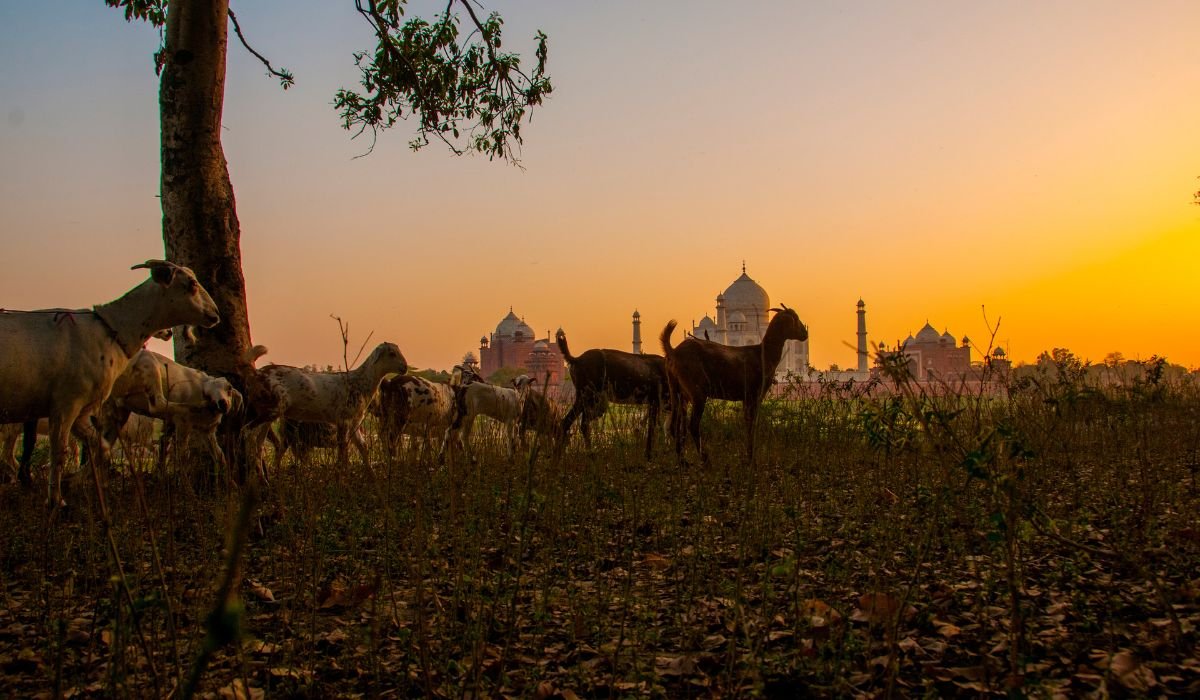
Sunset from inside the Taj Mahal complex can also be beautiful, but the crowd is often larger — many visitors who arrived in the late morning simply stay through the afternoon. For a sunset view without the crowd, consider visiting Mehtab Bagh, a Mughal garden across the Yamuna River that offers a stunning view of the Taj Mahal at golden hour with significantly fewer people.
Common Mistakes First-Time Visitors Make
- Arriving at midday. This guarantees maximum crowds, harsh light, and hot marble underfoot.
- Visiting on a Friday. The Taj Mahal is closed to general visitors on Fridays — a detail many travelers miss.
- Skipping online tickets. The ticketing queue can add 30+ minutes to your visit, especially on weekends.
- Not checking the dress code. Visitors are expected to dress appropriately. Our Taj Mahal dress code and rules guide explains what to expect.
- Underestimating travel time from Delhi. Agra is roughly 230 km from Delhi. Without planning, the drive can take 3–4 hours depending on traffic.
Planning a Taj Mahal Trip from Delhi or as Part of a Longer Itinerary
Many international visitors base themselves in Delhi and visit Agra as a day trip. If that’s your plan, starting early is essential — most sunrise Taj Mahal tours from Delhi depart before dawn so you arrive at the gate right when it opens.
Travelers with more time often combine Agra with Delhi and Jaipur through a Golden Triangle tour, which covers India’s three most iconic cities in 3–5 days. This routing works particularly well during the October–March season and naturally builds in time for an early-morning Taj Mahal visit.
If you’re planning a broader India trip, consider reviewing our essential tips for first-time visitors to India before finalizing your itinerary.
Planning a Crowd-Free Taj Mahal Visit?
Plan your Taj Mahal visit at the right time with an early-morning itinerary, reliable local guidance, and a personalized Agra tour covering the Taj Mahal, Agra Fort and other major attractions. Get assistance from experienced Agra tour guide Mohd. Imran Khan.
Plan My Taj Mahal VisitFrequently Asked Questions
What is the least crowded time to visit the Taj Mahal?
The quietest time is at sunrise on a weekday (Tuesday–Thursday), especially during the shoulder months of October–November or February–March.
What day is best to visit the Taj Mahal?
Wednesday or Thursday typically sees the lowest visitor numbers. Avoid weekends and remember that the Taj Mahal is closed every Friday.
Can you visit the Taj Mahal at sunrise?
Yes. The monument opens 30 minutes before sunrise daily (except Fridays). Sunrise entry is available with a standard ticket — no special sunrise ticket is required.
Is the Taj Mahal crowded in the morning?
The first hour after opening is the least crowded. Crowds build steadily after 9 AM as tour groups from Delhi begin arriving.
How early should I reach the Taj Mahal?
Aim to be at the entry gate 30–45 minutes before it opens. This ensures you’re among the first visitors inside.
What is the best month to visit the Taj Mahal?
October and February offer the best balance of pleasant weather, manageable crowds, and good photography conditions.
How long do you need at the Taj Mahal?
Plan for 1.5 to 3 hours. Two hours is comfortable for most visitors who want to explore the full complex without rushing.
About the Author
Mohd. Imran Khan is a travel expert with over 22 years of experience in the tourism industry, helping travelers discover India and create comfortable, memorable journeys. He specializes in personalized travel planning, guided experiences, and India tour services.
Plan Your Visit
The ideal Taj Mahal visit comes down to a simple formula: a weekday morning, as early as possible, during the cooler months, with tickets purchased online in advance. That combination gives you the smallest crowds, the best light, and the most enjoyable experience.
If you’re visiting from Delhi and want to make the most of your time in Agra, a private same-day tour takes care of early-morning logistics, skip-the-line entry, and local expertise — so you can focus on the experience itself. Travelers planning a longer journey through North India can explore Golden Triangle itineraries that weave the Taj Mahal into a broader cultural adventure through Delhi, Agra, and Jaipur.