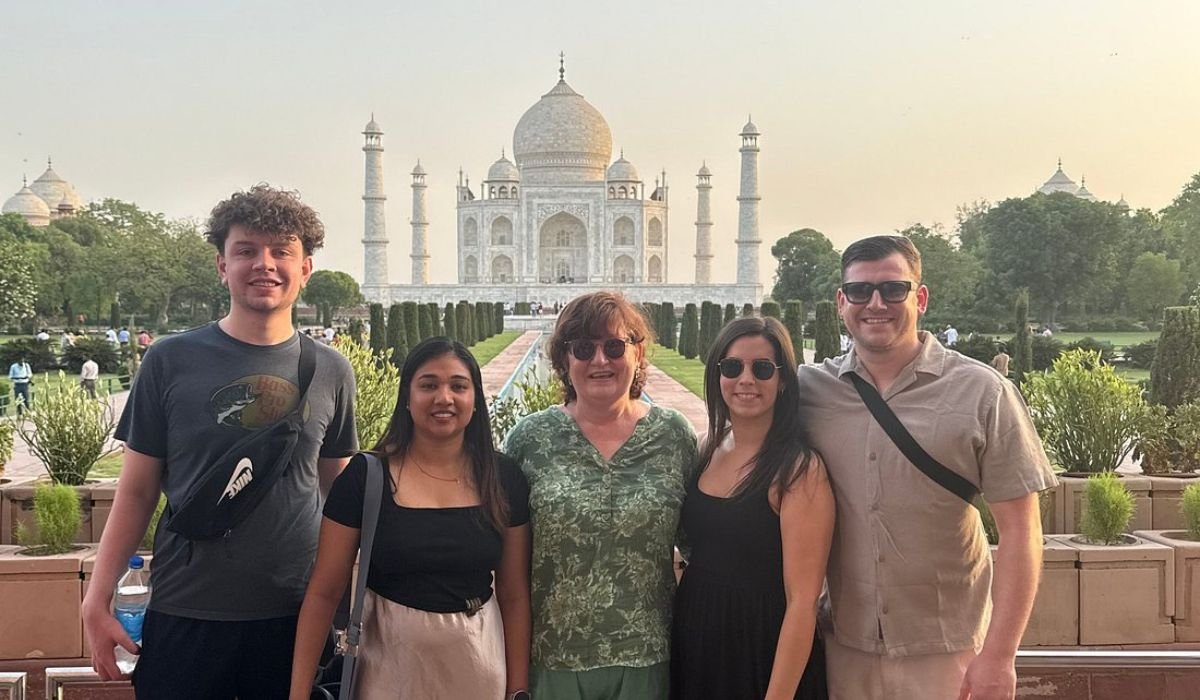
The Agra Most Visitors Miss
Most travelers arrive in Agra, see the Taj Mahal, take a few photographs, and leave. It’s understandable — the Taj is extraordinary. But this also means millions of visitors each year miss the Agra local experiences that give the city its actual character: its morning food rituals, marble workshops, crowded bazaars, rooftop chai sessions, and the rhythm of everyday life in one of India’s most historically layered cities.
If you’re planning a visit — whether as part of a Golden Triangle Tour, a same-day trip from Delhi, or an overnight stay — even a few extra hours spent beyond the major monuments can completely change how you remember Agra. The things to do in Agra beyond the Taj Mahal are not hidden or hard to find. They’re happening all around you, in narrow lanes, family kitchens, and neighborhood sweet shops. You just need to know where to look.
For travelers interested in exploring Agra beyond the Taj Mahal, this guide covers 15 experiences that connect you with the real, lived-in city — not just its monuments.
Quick Guide to the Best Local Experiences in Agra
| Experience | Best Time | Approx. Time | Best For | Guide / Planning |
|---|---|---|---|---|
| Bedai & Jalebi Breakfast | Early morning | 30–60 min | Food lovers, cultural immersion | Helpful |
| Kinari Bazaar Walk | Morning or late afternoon | 1–2 hours | Photography, culture | Recommended |
| Sadar Bazaar Evening | Evening | 1–2 hours | Shopping, street food | Optional |
| Street Food Walk | Late morning or evening | 2–3 hours | Adventurous eaters | Recommended |
| Marble Inlay Workshop | Daytime | 30–60 min | Art & craft enthusiasts | Helpful |
| Traditional Crafts | Daytime | 1–2 hours | Culture, shopping | Helpful |
| Kachhpura Village | Morning | 1–2 hours | Offbeat travel, photography | Recommended |
| Family Cooking Experience | Morning or afternoon | 3–4 hours | Families, couples, food lovers | Pre-arrangement needed |
| Rural Life Near Agra | Morning or afternoon | 3–5 hours | Cultural immersion | Local host/operator recommended |
| Taj Nature Walk | Early morning or late afternoon | 1–1.5 hours | Nature, photography | Optional |
| Mehtab Bagh Sunset | ~1 hour before sunset | 1–1.5 hours | Photography, relaxation | Optional |
| Chai With a Taj View | Late afternoon | 30–60 min | Couples, solo travelers | Not needed |
| Old Agra by Rickshaw/Bicycle | Morning | 2–3 hours | Active travelers | Recommended |
| Tanga Ride | Morning or evening | 30–60 min | Short cultural experience | Optional |
| Yamuna Riverside at Sunset | Evening | ~1 hour | Photography, atmosphere | Recommended |
Want to Experience the Real Agra Like a Local?
Explore local markets, food, hidden streets and authentic experiences with Agra tourist guide Mohd. Imran Khan.
Chat with Mohd. Imran Khan1. Start Your Morning With Bedai and Jalebi
Before you head to the Taj Mahal, eat the way Agra eats. In most neighborhoods, morning begins with bedai — deep-fried, flaky bread stuffed with a lightly spiced lentil filling — served alongside a bowl of spicy potato curry and fresh jalebi, still warm and dripping with syrup.
This isn’t a restaurant experience. It’s a street-side ritual. You’ll find families, office-goers, and students crowded around small stalls, eating off steel plates. The chai comes in small glasses. The jalebi is made in front of you.
For international visitors, the flavors can be intense — especially the green chili in the potato curry. Start with a small portion and add more as you adjust. Choose stalls that are busy with locals, which generally means the food turns over quickly. Drink bottled or filtered water.
A bedai breakfast is one of the most affordable and memorable ways to begin a day in Agra, and it pairs perfectly with an early Taj Mahal visit right afterward. For more on what to eat in Agra, including where to find the best versions of these dishes, our Agra food guide covers the essential flavors.
Best time: 7–9 AM · Time needed: 30–60 minutes · Best for: Food lovers, early risers · Guide needed: Helpful for finding the best stalls
2. Walk Through Kinari Bazaar and Old Agra
Kinari Bazaar sits in the lanes behind Jama Masjid, and walking through it is a sensory experience that no monument visit can replicate. The narrow lanes are packed with shops selling wedding bangles, embroidered fabrics, sequined dupattas, and traditional wedding accessories. Above you, wires criss-cross between old buildings. Around you, shopkeepers call out prices. Motorcycles squeeze through gaps that don’t look wide enough.
This is not a curated market for tourists. Kinari Bazaar is where local families come to shop for weddings and festivals. The colors, sounds, and energy are completely different from anything you’ll see at the Taj Mahal or Agra Fort.
A few things to keep in mind: ask before photographing people or the interiors of shops. Bargaining is normal, but do it respectfully. The maze-like lanes can be confusing for first-time visitors, so exploring with someone who knows Old Agra can make navigation easier and add useful local context.
Walking Old Agra with a knowledgeable local turns the experience from “wandering through a market” into understanding how the old city has functioned for centuries — its trades, its community structures, its daily rhythms.
Best time: Morning or late afternoon · Time needed: 1–2 hours · Best for: Photography, cultural immersion · Guide needed: Recommended
3. Spend an Evening at Sadar Bazaar
Sadar Bazaar comes alive after 5 PM. The daytime heat fades, shop lights flicker on, and the market fills with local families out for evening shopping and snacks. It’s one of the most accessible authentic Agra experiences for international travelers — well-connected, relatively easy to navigate, and full of energy.
You can browse leather goods, marble souvenirs, textiles, and brass items. But the real draw is the food: fresh chaat (crispy snacks topped with yogurt, chutney, and spices), kulfi (Indian-style ice cream), and seasonal fruits. Wander, eat, people-watch, and take in the atmosphere.
Sadar Bazaar works especially well after a day of sightseeing. If you’ve visited the Taj Mahal and Agra Fort during the day, an hour or two here in the evening adds a completely different texture to your Agra visit — and it requires no advance planning.
Best time: 5–8 PM · Time needed: 1–2 hours · Best for: Evening atmosphere, street food, souvenirs · Guide needed: Optional
4. Take an Agra Street Food Walk
Beyond the bedai breakfast, Agra has an entire vocabulary of flavors worth exploring. Petha — a soft, translucent sweet made from ash gourd — is Agra’s most famous confection, and tasting it fresh from an established local shop is different from buying a box at a train station. Dalmoth, a crunchy spiced lentil snack, is another Agra specialty that most visitors don’t know about.
A proper street food walk also includes chaat in its many forms, thick lassi, spiced chai from roadside stalls, and seasonal items you won’t find listed on any travel website.
What makes a guided food walk valuable for international visitors isn’t just finding good food — it’s understanding what you’re eating. Knowing which dishes are sweet versus spicy, what’s vegetarian, how to eat with your hands if you want to, and which stalls locals trust. A knowledgeable guide takes the guesswork out and lets you focus on eating.
Best time: Late morning or evening · Time needed: 2–3 hours · Best for: Adventurous eaters, cultural connection · Guide needed: Recommended, especially for first-time visitors
5. Watch Marble Inlay Artisans at Work
The decorative marble inlay on the Taj Mahal — called Pietra Dura — wasn’t just a historical technique. Skilled artisans in Agra continue to practice traditional marble inlay techniques closely associated with the city’s Mughal-era craftsmanship.
Watching this process up close is genuinely fascinating. Artisans cut thin slices of stone — lapis lazuli, malachite, mother of pearl — and shape each piece by hand before setting it into carved marble. A single tabletop can take weeks. The precision involved is extraordinary.
The key difference worth noting: watching a real artisan at work in a small workshop is a very different experience from being led into a large showroom for a sales demonstration. If you’re interested in the craft itself, seek out smaller workshops where artisans are actually creating pieces, not just presenting finished products. A local guide familiar with Agra’s artisan community can help you find these.
Best time: Daytime · Time needed: 30–60 minutes · Best for: Art and craft enthusiasts · Guide needed: Helpful
Want to Experience the Real Agra Like a Local?
Explore local markets, food, hidden streets and authentic experiences with Agra tourist guide Mohd. Imran Khan.
Chat with Mohd. Imran Khan6. Discover Agra’s Other Traditional Crafts
Marble inlay gets most of the attention, but Agra has a wider craft tradition worth exploring. Zardozi — intricate gold and silver thread embroidery — has roots in Mughal-era court culture and is still produced in Agra for wedding garments and decorative textiles. The city also has a long history of leather work and traditional textile production.
If you’re interested in Indian handicrafts, ask to see artisans at work rather than just browsing retail shops. Watching a zardozi embroiderer stitch metallic thread into fabric, or a leather craftsman shape a bag, gives you a much deeper appreciation for what goes into these products.
A note on shopping: buy because you genuinely value the craftsmanship, not because a shopkeeper has been persistently persuasive. A good guide will take you to artisan workshops where there’s no pressure to purchase — just an opportunity to watch, ask questions, and understand the process.
Best time: Daytime · Time needed: 1–2 hours · Best for: Craft lovers, thoughtful shoppers · Guide needed: Helpful
7. Experience Kachhpura Village
Kachhpura sits on the eastern bank of the Yamuna River, close to the Taj Mahal but feeling like a different world entirely. This is a working village with narrow lanes, small homes, and a pace of life that contrasts sharply with the tourist activity around the main monuments.
Walking through Kachhpura offers a perspective of Agra that most visitors never see. The village has been part of community-based tourism efforts, and some visitors may find opportunities to interact with residents, see local art forms, or simply experience the quieter side of Agra.
If you visit, go respectfully. This is a living community, not a curated exhibit. Don’t photograph people without asking. Be mindful that you are a guest in someone’s neighborhood. A local guide who has a relationship with the community can facilitate meaningful interactions without the visit feeling intrusive.
Best time: Morning · Time needed: 1–2 hours · Best for: Offbeat travelers, photography · Guide needed: Recommended
8. Join a Local Family Cooking Experience
Sitting in someone’s kitchen, learning to roll chapati, grinding spices with a mortar, and eating a meal you helped prepare — this kind of experience stays with travelers long after monument visits blur together.
Several families and local operators in Agra offer cooking experiences where international visitors can learn to prepare everyday Indian dishes. A typical session might include visiting a local market to buy ingredients, understanding how Indian spices are used, making dishes like dal, vegetable curry, and chapati, and then sitting down to eat together.
For international travelers unfamiliar with Indian cooking, this experience demystifies everyday Indian meals. It also offers genuine human connection — sharing food and conversation across cultural lines, in someone’s home, at their table.
These experiences generally need to be arranged in advance through a host family, local guide, or reputable tour operator. Availability can vary, so plan ahead.
Best time: Morning or afternoon · Time needed: 3–4 hours · Best for: Families, couples, food enthusiasts · Pre-arrangement: Needed (arranged through a host or operator)
9. Explore Rural Life Near Agra
The countryside around Agra and toward Fatehpur Sikri offers a window into rural Indian life that most travelers on standard itineraries don’t see. Depending on the season and what’s available through responsible local operators, you might visit a pottery workshop, see farming practices, or observe how traditional village kitchens function.
These experiences should ideally be arranged through a reputable local guide or operator who has genuine relationships with the communities involved. This ensures that visits are respectful, that communities benefit directly, and that the experience is authentic rather than staged.
Rural visits aren’t for every traveler — they require flexibility, comfort with basic facilities, and a genuine interest in everyday life. But for those drawn to slow, immersive travel, spending a morning in the countryside near Agra offers something no monument can.
Best time: Morning · Time needed: 3–5 hours · Best for: Cultural immersion, slow travel · Planning: Arrange with a local host or operator
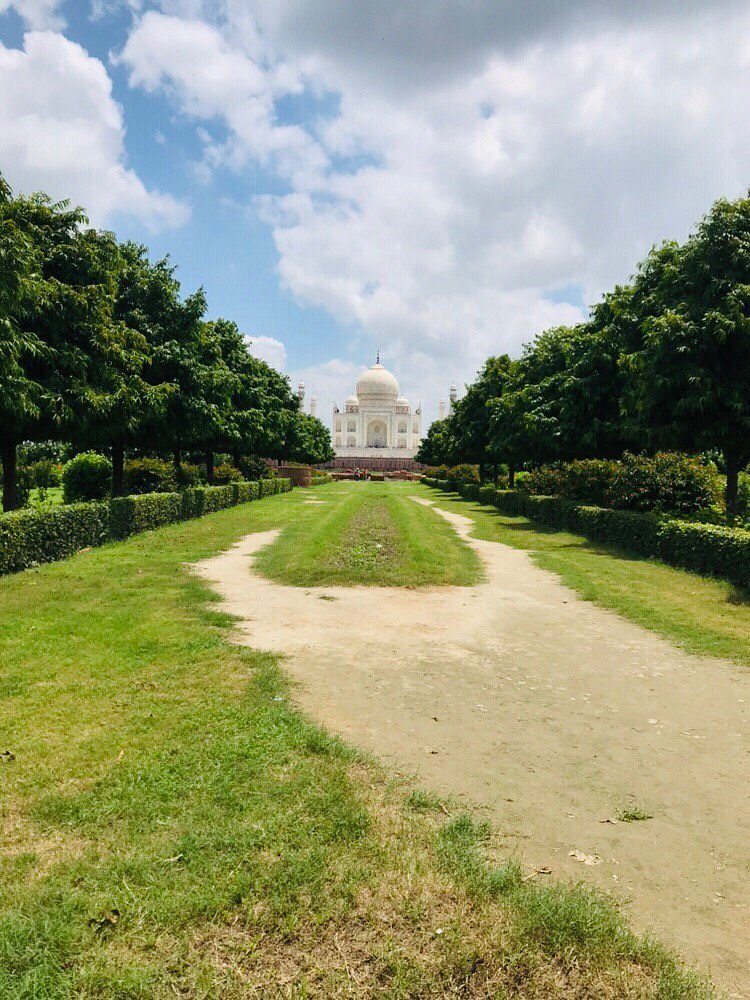
10. Walk Through Taj Nature Walk
If you’ve seen the Taj Mahal from inside the complex, the Taj Nature Walk offers a completely different perspective. This green corridor runs along the eastern side of the Taj complex and provides a peaceful walking experience through wooded paths, away from the crowds.
The walk itself is enjoyable — flat, shaded, and calm — but the real draw is the Taj Mahal viewpoints along the route. You see the monument framed by trees, reflected differently depending on the light, and without hundreds of other visitors in your sightline.
Early morning or late afternoon light works best for photography. The pace here is deliberately slow, making it a good counterbalance to the intensity of Old Agra markets or the main Taj Mahal visit.
Best time: Early morning or late afternoon · Time needed: 1–1.5 hours · Best for: Nature lovers, photographers · Guide needed: Optional
11. Watch Sunset From Mehtab Bagh
Mehtab Bagh sits directly across the Yamuna River from the Taj Mahal, and on a clear evening, the sunset view from here is stunning. The white marble catches the changing light — shifting from gold to pink to soft blue — and the reflection in the river, when water levels allow, adds another dimension.
A word of realism: not every evening produces a dramatic sunset. Haze, cloud cover, and seasonal air quality all affect visibility. Winter evenings tend to be clearer; summers can be hazy. Come hoping for a beautiful experience rather than expecting a guaranteed postcard moment.
Mehtab Bagh works well as a late-afternoon activity after sightseeing. Arrive about an hour before sunset, bring your camera, and enjoy the shifting light even if conditions aren’t perfect.
Best time: 1 hour before sunset · Time needed: 1–1.5 hours · Best for: Photography, relaxation · Guide needed: Optional
12. Have Chai With a Different View of the Taj
After a full day of sightseeing, sometimes the best thing to do in Agra is sit down, order chai, and look at the Taj Mahal from a distance. Several rooftop cafés near the south gate area offer elevated views where you can sip tea and watch the light change without any entry ticket or time pressure.
Sheroes Hangout, a café associated with supporting and empowering acid attack survivors, is one option worth knowing about. Beyond the view, visiting here supports a meaningful social initiative. Check locally for current hours and details, as operating arrangements may change.
The point of this experience is slowing down. Not every moment in Agra needs to be scheduled or checked off a list. Sometimes sitting on a rooftop, drinking chai, and watching the Taj Mahal in the distance is the most authentic local experience of all.
Best time: Late afternoon · Time needed: 30–60 minutes · Best for: Everyone · Guide needed: Not needed
13. Explore Old Agra by Cycle Rickshaw or Bicycle
The lanes of Old Agra are best experienced at a slow pace, and a cycle rickshaw ride lets you absorb the details — hand-painted shop signs, children playing in side lanes, the smell of frying food, the sound of metalworkers at their anvils — that you’d miss entirely from a car window.
For more active travelers, some operators offer guided bicycle tours through the old city and surrounding neighborhoods. These cover more ground than walking and provide a closer connection to the city than a motorized vehicle.
Be realistic about conditions: Old Agra streets are narrow, sometimes potholed, and shared with pedestrians, motorcycles, animals, and other rickshaws. It’s chaotic — but that’s also what makes it interesting. A guided route is useful because it keeps you on manageable streets and avoids the most congested stretches.
Cycling may not suit everyone. If you’re uncomfortable with unpredictable traffic or have mobility concerns, a rickshaw with an experienced driver is the better choice.
Best time: Morning · Time needed: 2–3 hours · Best for: Active travelers, photographers · Guide needed: Recommended
14. Experience a Traditional Tanga Ride
A tanga — a horse-drawn carriage — was once a common mode of transport in Agra. While their numbers have declined, tanga rides may still be available in parts of the old city. Where available, it’s a slower, more atmospheric way to cover a short distance and connects you to a traditional mode of transport.
Be thoughtful about this experience. If you choose to take a tanga ride, look for horses that appear well-cared-for and operators who treat their animals responsibly. If the animal appears distressed or the conditions seem poor, it’s reasonable — and right — to walk away.
This is a brief experience rather than a full activity. It can work well as a short segment within a larger Old Agra exploration.
Best time: Morning or evening · Time needed: 30–60 minutes · Best for: Short cultural experience · Guide needed: Optional
15. Experience the Yamuna Around Sunset
The Yamuna River runs alongside the Taj Mahal, and seeing the monument from the riverside perspective — silhouetted against the evening sky — is one of the more memorable visual experiences Agra offers.
However, it’s important to note that boat rides on the Yamuna are subject to local regulations and restrictions that can change without notice. Boating may not always be legally available or operational. Before planning any river-based activity, check current conditions with an authorized local guide or operator who can provide up-to-date information.
Even without boating, the riverside area near Mehtab Bagh and other permitted viewpoints offers atmospheric evening moments — the call to prayer drifting from nearby mosques, the sky deepening over the water, and the Taj Mahal standing quietly above it all.
Best time: Evening, around sunset · Time needed: 1 hour · Best for: Photography, atmosphere · Guide needed: Recommended
Experience Agra After Sunset
Many visitors assume that once the monuments close, Agra shuts down. It doesn’t. Evenings are when Sadar Bazaar fills up with local families, when chaat stalls do their best business, and when the city shifts from tourist-mode to its own rhythm.
An evening in Agra might include a food walk through market lanes, shopping for marble souvenirs and leather goods, drinking chai at a roadside stall, or simply having dinner at a local restaurant. It’s not nightlife in the conventional sense — Agra is a relatively early-to-bed city — but there’s enough texture to fill a meaningful evening.
If you’re staying overnight, use the evening hours. You’ll see a side of Agra that same-day visitors miss entirely.
Experiencing Agra During Festivals
If your visit coincides with a major festival, the local atmosphere in Agra transforms. During Holi, the spring festival of colors, streets fill with music and colored powder. During Diwali, markets light up with oil lamps and fireworks, and sweet shops operate at full capacity. During Ramadan, evening markets near mosques come alive after sunset with special foods and community energy.
Festival dates change each year based on the lunar calendar, so check the timing for the year you’re traveling. If you’re visiting during a festival, be respectful: ask before joining celebrations, request permission before photographing, and follow local customs. Most communities in Agra welcome visitors warmly, especially those who show genuine interest and respect.

How to Combine Local Experiences With Your Agra Tour
If You Have Only a Few Extra Hours
Combine your Taj Mahal and Agra Fort visits with a bedai breakfast before sightseeing and an hour at Sadar Bazaar afterward. This adds two local touchpoints without disrupting your schedule.
If You Have One Full Day in Agra
Visit the Taj Mahal at sunrise. Have a bedai breakfast. See Agra Fort mid-morning. After lunch, walk through Kinari Bazaar or visit a marble inlay workshop. End the day at Mehtab Bagh for sunset, followed by an evening food walk.
If You Stay Overnight in Agra
An overnight stay opens up the full range of experiences — morning food rituals, artisan workshops, Old Agra exploration, a cooking experience or village visit, sunset at Mehtab Bagh, and an evening market walk. You return to Delhi or continue your journey having experienced Agra as a living city, not just a monument stop.
Private and tailor-made tours can often incorporate these local experiences alongside standard sightseeing, depending on your interests, time, and the season.
Do You Need a Local Guide for These Experiences?
Honestly — it depends on the experience and your comfort level.
Mehtab Bagh, Sadar Bazaar, and Taj Nature Walk are straightforward enough to explore independently. They’re well-marked, relatively easy to navigate, and don’t require local introductions.
But for Old Agra’s lanes, artisan workshops, food walks, village visits, and family cooking sessions, a knowledgeable local guide makes a significant difference. Communication is easier — not every artisan or street vendor speaks English. A guide provides cultural context: explaining what you’re seeing, translating conversations, and helping you navigate situations where being a foreign visitor could mean being overcharged or led toward tourist-oriented shops.
If your time in Agra is limited — especially on a same-day trip from Delhi — a guide also helps you use your hours efficiently, prioritizing the experiences that interest you most. For guidance on finding the right Agra guide, look for someone with genuine local knowledge and a reputation for honest, pressure-free touring.
Practical Tips for Experiencing Local Agra
- Carry cash in small denominations. Many market stalls and street food vendors don’t accept cards. Keep notes in smaller amounts for easier transactions.
- Wear comfortable walking shoes. Old Agra lanes are uneven, and you’ll be on your feet for hours.
- Dress modestly, especially when visiting religious sites, village communities, or conservative neighborhoods. Shoulders and knees covered is a good general guideline.
- Ask before photographing people. A smile and a gesture go a long way. Most people in Agra are happy to be photographed if you ask respectfully.
- Drink bottled or filtered water. Avoid tap water and ice from unverified sources.
- Bargain politely. Negotiating prices is expected in markets, but do it with humor and respect, not aggression.
- Be aware of traffic. Old Agra streets are shared by pedestrians, rickshaws, motorcycles, and animals. Stay alert, especially at intersections.
- Use reputable transport and guides. Pre-arranged vehicles and recommended guides reduce hassle significantly.
- If a sales situation feels uncomfortable, leave. You are never obligated to buy anything. A polite “no, thank you” is sufficient.
- Check seasonal timings. Some sites and markets adjust their hours during summer and winter. Verify locally before planning your visit.
FAQ — Agra Local Experiences
What are the best things to do in Agra besides the Taj Mahal?
The best activities beyond the Taj Mahal include walking through Kinari Bazaar in Old Agra, trying a traditional bedai and jalebi breakfast, watching marble inlay artisans at work, exploring Sadar Bazaar in the evening, visiting Mehtab Bagh at sunset, and joining a local cooking experience. These activities connect you with Agra’s living culture rather than just its monuments.
What are the most authentic local experiences in Agra?
The most authentic experiences include eating breakfast at a neighborhood bedai stall, walking through Old Agra’s market lanes, sitting with marble inlay artisans, taking a street food walk, and spending time in Kachhpura Village. These are everyday Agra experiences that locals themselves participate in, not activities created specifically for tourists.
Is it safe for foreign tourists to explore Agra’s local markets?
Popular markets such as Sadar Bazaar and Kinari Bazaar are regularly visited by both locals and tourists. Normal travel precautions are recommended — keep valuables secure, stay aware in crowded areas, and prefer daytime or active evening hours. A knowledgeable local guide can make navigation easier if you’re unfamiliar with the area. For more detailed advice, our Agra travel safety guide covers what international visitors should know.
What is the best time to visit local markets in Agra?
Morning hours (9–11 AM) are best for Kinari Bazaar and Old Agra, when shops are freshly open and the heat is manageable. Sadar Bazaar is best experienced in the evening (5–8 PM), when it fills with local families and food vendors. Avoid the midday heat during summer months — most markets slow down between noon and 3 PM.
Do I need a guide to explore local Agra?
For major markets and sunset viewpoints, you can manage independently. But for Old Agra’s narrow lanes, artisan workshops, food walks, and village experiences, a knowledgeable local guide significantly improves the experience. They help with communication, cultural context, navigation, and avoiding tourist traps — especially valuable if your time is limited.
Can I add local experiences to a same-day Agra tour?
Yes, if your schedule allows flexibility. A bedai breakfast before the Taj Mahal or an hour at Sadar Bazaar after sightseeing can fit within most same-day itineraries. Longer experiences like cooking classes or village visits generally require an overnight stay or a dedicated day.
Is it worth staying overnight in Agra?
Staying overnight opens up experiences that same-day visitors miss entirely — early morning food rituals, unhurried artisan visits, sunset at Mehtab Bagh, evening market walks, and the quieter, more personal side of the city. If your schedule allows it, an overnight stay transforms Agra from a monument stop into a real travel experience.
Where can tourists experience local life in Agra?
The best areas for experiencing local life include Old Agra around Kinari Bazaar and Jama Masjid, Sadar Bazaar in the evenings, Kachhpura Village near the Taj Mahal, neighborhood breakfast stalls in various parts of the city, and artisan workshops in the old city. Each offers a genuine window into how Agra residents live, work, and eat.
See More Than the Taj Mahal
The Taj Mahal will always be the reason most travelers first come to Agra. That’s as it should be — it’s one of the most beautiful structures on earth. But what often makes an Agra visit truly memorable isn’t only the monument itself. It’s the taste of bedai eaten standing at a morning stall. The patience of a marble artisan shaping a piece of lapis lazuli. The chaos and color of Kinari Bazaar. The quiet of the Yamuna at sunset.
These Agra local experiences don’t require dramatic detours or days of extra time. Some take thirty minutes. Others fill a morning. All of them add depth, texture, and genuine human connection to a trip that might otherwise feel like a checklist of monuments.
If you’re planning a visit to Agra, consider building a few of these experiences into your itinerary. A tailor-made Agra tour that balances iconic sightseeing with local discovery is one of the most rewarding ways to experience not just the city — but the people who call it home.
Meet Mohd. Imran Khan – Experienced Tour Guide in Agra

Mohd. Imran Khan experienced tour guide in Agra with international travelers
Mohd. Imran Khan is a professional tour guide based in Agra with more than 22 years of experience helping travelers explore the city and its surroundings. Over the years, he has worked extensively with international visitors discovering the Taj Mahal, Agra Fort, and the cultural side of Agra that most standard itineraries overlook.
His knowledge extends well beyond the famous monuments to include Mughal history, local markets, traditional Agra food, handicrafts, and lesser-known experiences around the city. Years of working directly with travelers from around the world have given him practical insight into what first-time visitors need — from navigating Old Agra’s lanes comfortably to understanding the stories behind the craftsmanship and traditions that define the city. His approach focuses on informative, comfortable, and culturally meaningful experiences tailored to each traveler’s interests and pace.