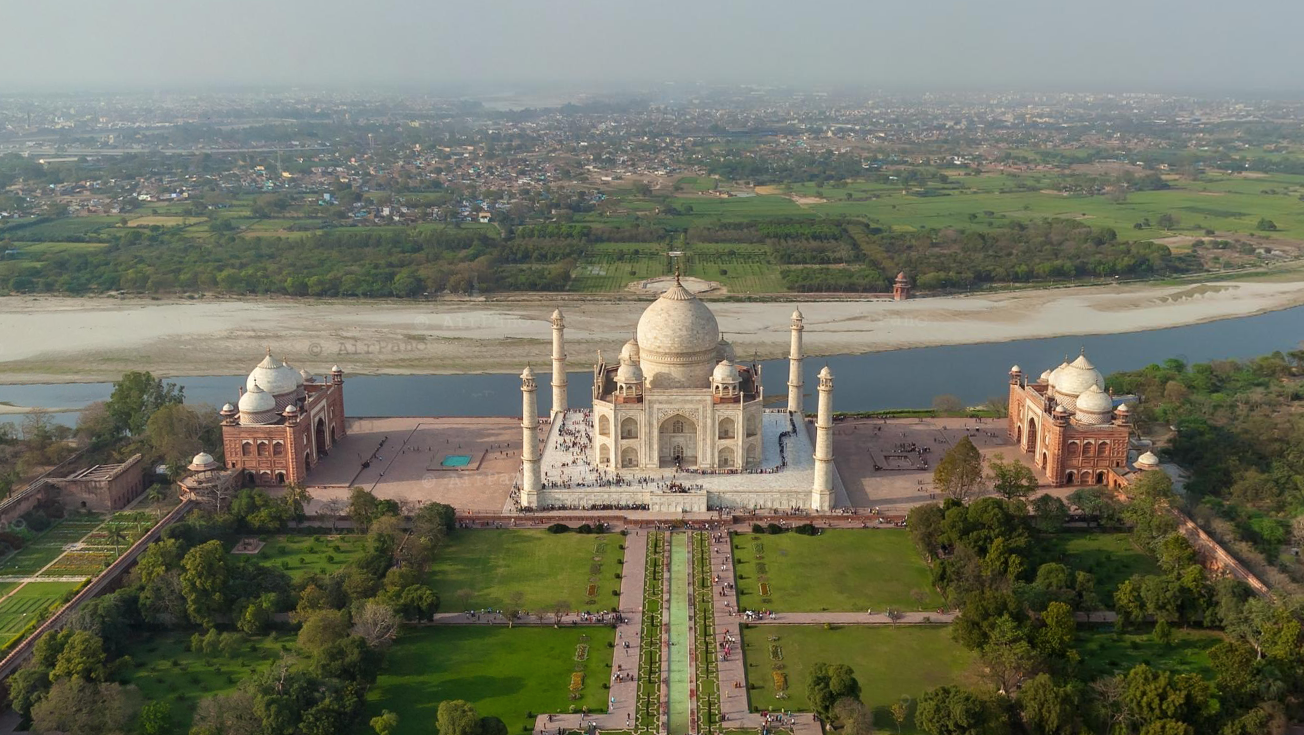
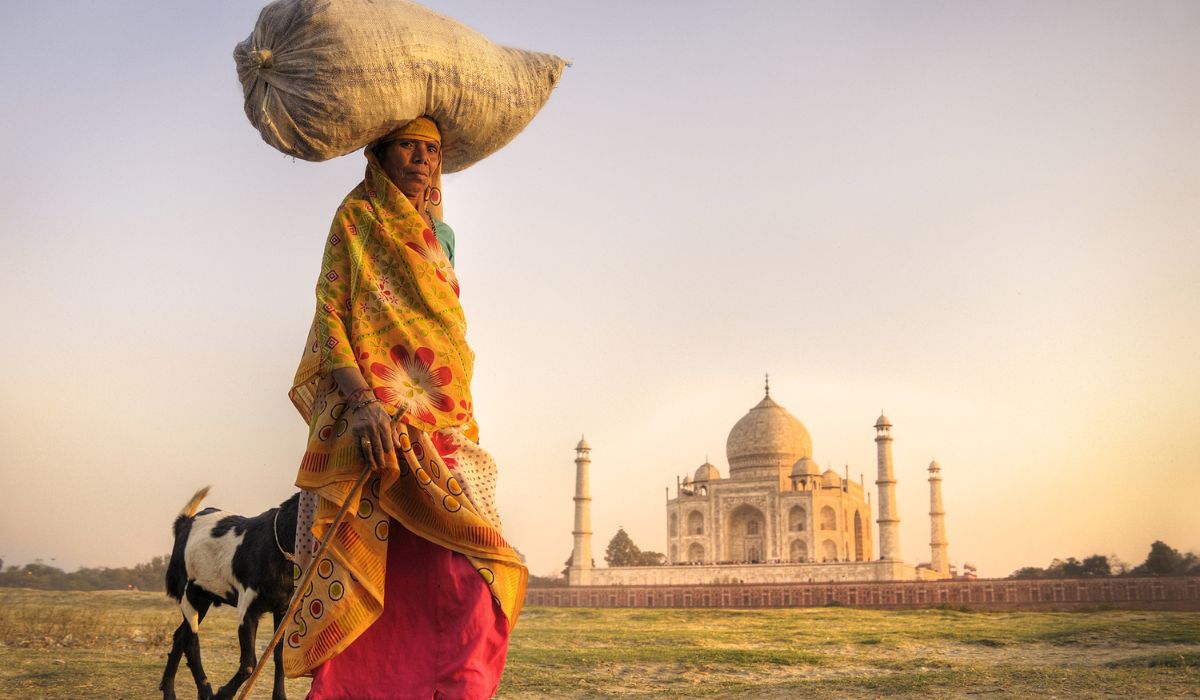
Everyone knows Agra. Everyone has seen the photos. That iconic white marble dome, those perfectly symmetrical gardens, the reflection in the long pool stretching toward the gate.
But here’s the thing — if you only see the Taj Mahal, you’ve only seen one page of Agra’s story.
Agra is a city that hides its best secrets just around the corner. Down a dusty lane, past a chai stall, behind an unmarked gate — the real Agra is waiting. And trust me, the Agra hidden gems I’m about to share with you? They’ll change how you see this city forever.
Whether you’re a first-time visitor or a seasoned traveler who’s “done” Agra before, this guide is your ticket to the side of Agra that most tourists never find.
Why You Should Explore the Hidden Side of Agra
Let’s be honest. The Taj Mahal gets very crowded. Especially on weekends and during peak season, you’re often sharing that magical moment with thousands of people, jostling for the perfect Instagram shot.
But step just a few kilometres away? And suddenly, you’re almost alone. You’re standing in front of a 400-year-old monument with nothing but birdsong and the sound of your own footsteps. That’s a completely different kind of magic.
Here’s why exploring hidden places in Agra is worth it:
- Fewer crowds — You actually get to breathe and soak it all in
- Better photography — No photobombers, golden hour all to yourself
- Deeper history — Many lesser-known sites have stories just as incredible as the Taj
- Local connection — You’ll interact with real Agra, not just the tourist bubble
- Budget-friendly — Several offbeat sites have minimal or zero entry fees
Ready to go off the beaten path? Let’s dive in.
Hidden Monuments in Agra You’ve Probably Never Heard Of
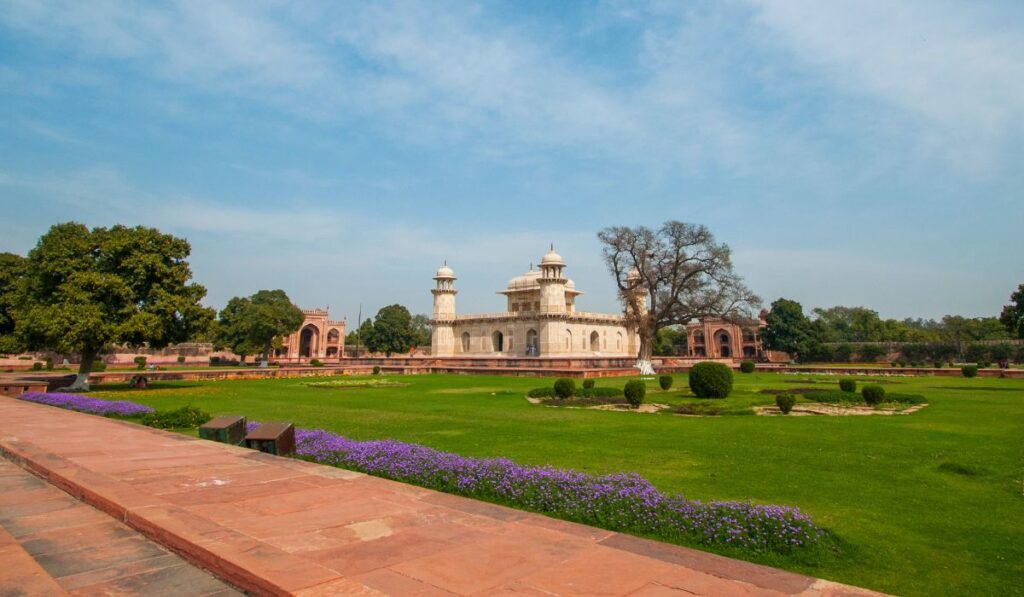
1. Itimad-ud-Daulah — The Baby Taj
If the Taj Mahal is the grandmother of Mughal architecture, then Itimad-ud-Daulah is the elegant, underappreciated mother who came first.
Built between 1622 and 1628 by Empress Nur Jahan for her father, this tomb is often called the Baby Taj — and for good reason. It’s the first Mughal structure to be built entirely in white marble with intricate pietra dura inlay work (the same technique used on the Taj Mahal). Historians often say the Taj was inspired by this very tomb.
What makes it special? The scale is intimate. You can actually look at the craftsmanship up close without a barrier between you and the stone. The delicate lattice screens, the wine cups carved into the walls, the Persian-influenced tiles — it’s absolutely breathtaking.
And on most weekday mornings, you’ll have the whole garden practically to yourself.
Timings: Sunrise to Sunset (closed on Fridays) Entry Fee: ₹30 for Indians, ₹310 for foreigners Best Time to Visit: Early morning, 7–9 AM
📎 Want to include Baby Taj in your Agra trip? Our Overnight Agra Tour is the perfect package for exploring Agra’s hidden gems at a relaxed pace — no rushing, no missing out.
2. Chini Ka Rauza — The Persian Gem Nobody Talks About
This one genuinely surprises people. Hidden behind overgrown trees just a short walk from Itimad-ud-Daulah, Chini Ka Rauza is the tomb of Afzal Khan, a Persian poet and scholar who served under Emperor Shah Jahan.
The name literally means “China Tomb” — a reference to the beautiful chini kari (Chinese tile) work that once covered the entire exterior. While much of the original tiling has faded over centuries of neglect, what remains is vivid, colourful, and completely unlike anything else you’ll see in Agra.
Brilliant blues, greens, and yellows. Geometric patterns that feel almost mosaic-like. It looks like it belongs in Isfahan or Shiraz, not a quiet lane in Agra.
Most tourists walk past this place without even glancing at it. Don’t be that tourist.
Entry Fee: Free Tip: Go in the late afternoon when the tilework catches warm sunlight
3. Ram Bagh — Agra’s Oldest Mughal Garden
Before the Taj Mahal, before Agra Fort, Emperor Babur built himself a garden. Ram Bagh (originally called Aram Bagh, or the Garden of Rest) dates back to 1528 and is considered the oldest surviving Mughal garden in India.
It’s quiet here. Sometimes wonderfully, peacefully too quiet. The formal char bagh layout, the raised terraces, the central pavilion overlooking the Yamuna — it’s a history lesson wrapped in greenery.
Babur himself rested here, and his body was temporarily placed in this garden before being taken to Kabul. If that doesn’t give you chills, I don’t know what will.
Entry Fee: ₹20 for Indians, ₹200 for foreigners
📎 Short on time in Agra? Our Same Day Taj Mahal Tour by Car can be customised to include a stop at Ram Bagh on the way back.
Hidden Gardens & Viewpoints in Agra
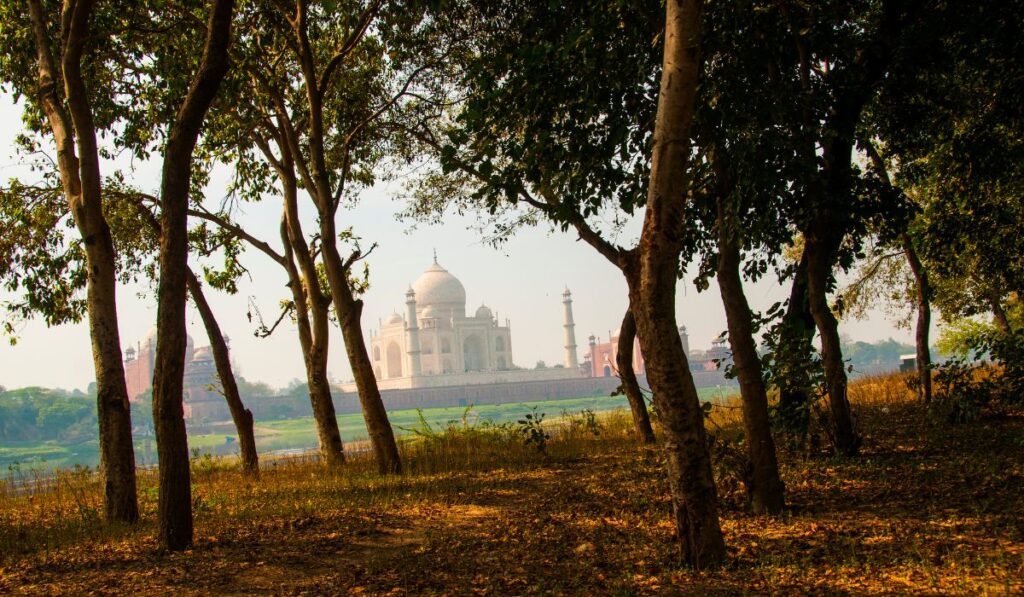
4. Mehtab Bagh — The Secret Sunset Spot
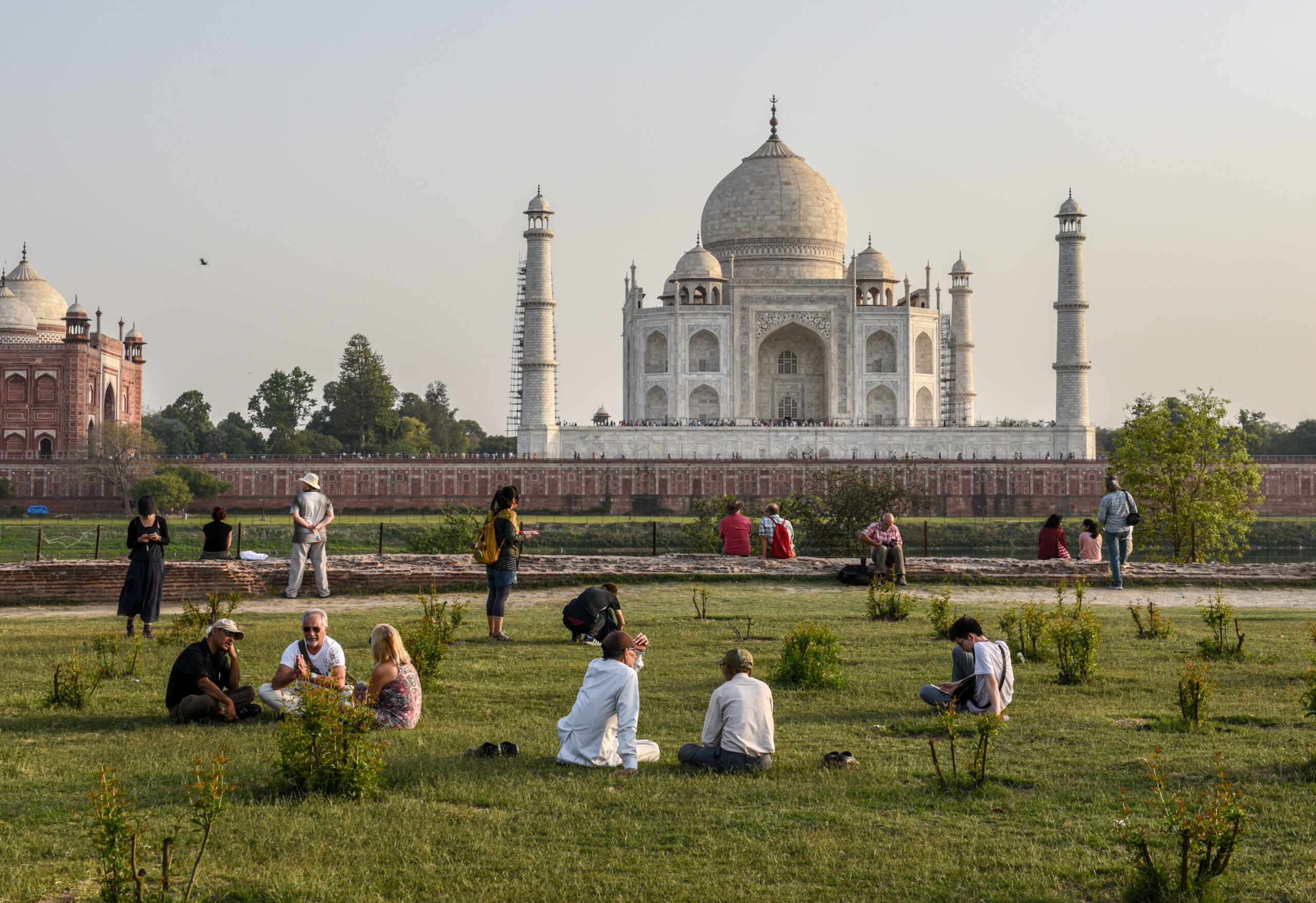
You want a sunset view of the Taj Mahal without the chaos? Mehtab Bagh is your answer. And it’s one of the most underrated photography spots in Agra.
This moonlit garden sits directly across the Yamuna from the Taj Mahal. Emperor Shah Jahan reportedly designed it to view the Taj’s reflection in the river below. Today, on a clear day, you can see the entire Taj Mahal framed by the river and the sky — completely unobstructed, with barely any tourists around you.
The Mehtab Bagh sunset view is genuinely one of the most beautiful things I’ve ever seen. The sky turns amber and rose-pink, and the Taj glows like it’s lit from within. No crowds. No noise. Just you and 400 years of history.
Timings: 6 AM – 6 PM Entry Fee: ₹30 for Indians, ₹310 for foreigners Pro Tip: Arrive 45 minutes before sunset. The light is magical from 4:30 PM onwards.
5. Taj Nature Walk — Agra’s Hidden Green Escape
Most people don’t even know this exists. The Taj Nature Walk is a forest reserve right next to the Taj Mahal complex, offering a 2-km nature trail through dense green cover.
You’ll spot deer, monkeys, and various birds — all within walking distance of one of the world’s most visited monuments. It’s a wonderful contrast. One minute you’re in the chaos of the Taj Mahal parking area, the next you’re in a quiet, shaded forest with nothing but the sounds of nature.
It’s especially beautiful in the early morning or late afternoon.
Entry Fee: ₹50 for Indians, ₹200 for foreigners Best Time: Early morning for wildlife sightings
📎 Love Agra in the early morning light? Our Sunrise Taj Mahal Tour is designed exactly for that — beat the crowds and catch the Taj at its most breathtaking.
Cultural & Local Experiences in Agra
6. Kinari Bazaar — Where Real Agra Shops

Forget the souvenir shops near the Taj. If you want to see Agra as Agra actually lives, head to Kinari Bazaar.
This centuries-old market in the heart of the old city sells everything — brocade fabrics, zari embroidery, traditional jewellery, wedding accessories, and yes, the famous Agra petha (the sweet made from ash gourd that the city is obsessed with). The lanes are narrow, noisy, and wonderfully chaotic.
Walk through slowly. Stop for chai at a corner stall. Watch shopkeepers at work. This is the Agra local market experience that travel guides rarely include, and it’s absolutely worth a few hours of your time.
Best Time to Visit: 10 AM – 8 PM (avoid Mondays)
📎 Want a truly immersive Agra experience that goes beyond the monuments? Our Heritage Walk Tour with Taj Mahal takes you through Agra’s living history — streets, stories, and all.
7. Agra’s Petha Trail — Eat Your Way Through the City
Speaking of food — Agra’s culinary identity is deeply tied to petha. And while you can buy packaged petha everywhere, the real experience is eating it fresh.
Head to Panchhi Petha (the most famous traditional maker since 1955) in Sadar Bazaar. Try the angoori petha (grape-shaped), the kesar petha (saffron-flavoured), and the chocolate petha if you’re feeling adventurous.
Beyond petha, Agra’s old city also has incredible:
- Bedai and jalebi for breakfast
- Mughlai biryani for lunch (try it near Jama Masjid)
- Dalmoth — the Agra-style spiced lentil snack you’ll be taking home by the kilo
8. Sadar Bazaar Cafes — The New Agra
Agra has a quietly growing café culture. In and around Sadar Bazaar, you’ll find charming rooftop cafés that serve everything from filter coffee to pasta — often with unexpected Taj Mahal views.
Sheroes Hangout is a must-visit — not just for the food (which is great), but because it’s run by acid attack survivors. It’s a powerful, moving place, and every order you place directly supports the women who run it.
Offbeat & Nature Experiences Near Agra
9. Keetham Lake (Sur Sarovar Bird Sanctuary)
About 20 km from Agra, Sur Sarovar is a stunning lake and bird sanctuary that comes alive between October and March when migratory birds arrive from Siberia, Central Asia, and beyond.
Flamingos, Siberian cranes, bar-headed geese — the birdwatching here is exceptional. You can also take a boat ride on the lake. The whole place feels a world away from Agra’s busy streets.
Best Time: October to March Entry Fee: ₹50 per person
Hidden Places Near Agra Worth the Drive
10. Fatehpur Sikri — A Ghost City Frozen in Time
Only 40 km from Agra, Fatehpur Sikri is a UNESCO World Heritage Site that was once the capital of the Mughal Empire — and was then abandoned after just 14 years, possibly due to water scarcity.
Walking through its perfectly preserved sandstone palaces, courts, and mosques feels genuinely eerie. The city looks like it was evacuated yesterday. The Buland Darwaza (Victory Gate) is one of the tallest gateways in the world, and the Jama Masjid inside is architecturally stunning.
Fewer international tourists make it here compared to Agra’s main sites. That makes it all the more rewarding.
Distance from Agra: 40 km (about 1 hour by road) Best Time: Morning, to avoid the afternoon heat
📎 Planning to visit Fatehpur Sikri along with Delhi and Jaipur? Our Golden Triangle Tour Packages cover all three cities in a single seamless itinerary — starting from just $150.
Travel Tips for Exploring Agra’s Hidden Gems
Best Time to Visit Agra
- October to March is the ideal window — cool, comfortable, and great for outdoor sightseeing
- July to September (monsoon) brings lush greenery but also heat and humidity
- April to June — avoid if possible, temperatures regularly cross 40°C
Practical Tips
- Start early. Most sites are far more peaceful between 7–9 AM. The light is also better for photography.
- Hire a local guide. Especially for lesser-known sites like Chini Ka Rauza and Ram Bagh, a good guide transforms the experience.
- Get an Agra composite ticket if you’re visiting multiple ASI-protected sites — it saves money.
- Travel by auto-rickshaw or e-rickshaw between sites near the Taj. No private vehicles are allowed in the eco-sensitive zone.
- Carry cash. Several smaller sites and markets don’t accept cards.
- Respect the monuments. Don’t touch carvings or take anything away. These places have survived centuries — help keep them standing.
Frequently Asked Questions
Q1. What are the best hidden places in Agra for photography?
Mehtab Bagh is the top pick — the Taj Mahal reflection view from here is extraordinary, especially at sunset. Itimad-ud-Daulah (Baby Taj) and Chini Ka Rauza also offer beautiful, crowd-free photography opportunities.
Q2. How much time do I need to explore offbeat places in Agra?
Ideally, plan 2–3 days in Agra. Day 1 for the Taj Mahal and Agra Fort, Day 2 for hidden monuments and Mehtab Bagh, and Day 3 for a day trip to Fatehpur Sikri and local market exploration. Our Overnight Agra Tour is designed exactly for this kind of unhurried experience.
Q3. Are the lesser-known places in Agra safe for solo female travelers?
Yes, generally. Stick to daytime visits, travel in registered auto-rickshaws, and avoid isolated areas after dark. Sites like Mehtab Bagh, Baby Taj, and Kinari Bazaar are all well-frequented and safe.
Q4. Is Itimad-ud-Daulah (Baby Taj) worth visiting?
Absolutely. It’s one of the most underrated monuments in India. The marble craftsmanship is arguably more intimate and detailed than the Taj Mahal, and you’ll have far more space to appreciate it.
Q5. What is the best time to see the Taj Mahal from Mehtab Bagh?
Arrive around 4:30–5:00 PM for a golden hour view. The sunset here, with the Taj Mahal glowing across the Yamuna, is genuinely unforgettable. Pair it with our Same Day Agra Tour by Gatiman Express for a perfectly timed day trip from Delhi.
Conclusion: There’s So Much More to Agra Than the Taj Mahal
Agra is one of those cities that people think they’ve seen after a single day at the Taj Mahal. But the truth is, they’ve barely scratched the surface.
The Agra hidden gems in this guide — from the Persian tile-work of Chini Ka Rauza to the haunting quiet of Fatehpur Sikri, from the sunset silence of Mehtab Bagh to the sweet chaos of Kinari Bazaar — these are the experiences that make Agra unforgettable. Not just the famous places, but the secret ones.
And the best part? You often have them almost entirely to yourself.
So next time you plan a trip to Agra, don’t just book a Taj Mahal ticket and call it done. Go deeper. Wander a little. Let Agra surprise you.
🌟 Ready to Explore Agra Like a Local?
Don’t leave these hidden treasures to chance. The expert guides at Amsah Tours know every secret corner of the city — from the best time to visit Baby Taj to the perfect vantage point at Mehtab Bagh.
👉 Same Day Taj Mahal Tour by Car — Perfect for a quick, well-guided Agra visit from Delhi.
👉 Sunrise Taj Mahal Tour — Experience the Taj before the crowds arrive, in pure golden light.
👉 Heritage Walk Tour with Taj Mahal — Go beyond the monuments and walk through Agra’s living history.
👉 Golden Triangle Tour Packages — Combine Agra with Delhi and Jaipur for the ultimate India experience.
👉 Plan a Tailor-Made Tour — Tell us what you love, and we’ll build the perfect Agra itinerary just for you.
Because the best travel memories aren’t always found on the main path.