There is a moment in Agra that stops you in your tracks. The sky slowly lights up, and there it stands — the Taj Mahal, glowing like a dream. But here is the big question every traveler asks: should I go for the Taj Mahal sunrise or the Taj Mahal sunset?
Both experiences are magical. Both will leave you speechless. But they are not the same. The light is different. The crowd is different. Even the feeling is different.
If you are planning a trip to this UNESCO World Heritage Site and want to make the most of your visit, this guide will help you decide. We will compare Taj Mahal sunrise vs sunset — the views, the photography opportunities, the crowd levels, and more — so you can plan the perfect Agra trip.
Slots fill up fast in peak season — secure your verified guide or tour today, one message away on WhatsApp.
💬 Chat on WhatsAppThe Taj Mahal Sunrise Experience
There is something truly special about visiting the Taj Mahal in the early morning. The Taj Mahal opening time is just before sunrise — around 6:00 AM in summer and 6:30 AM in winter (the gates open 30 minutes before sunrise). Getting there early means you are one of the first people to walk through those grand gates.
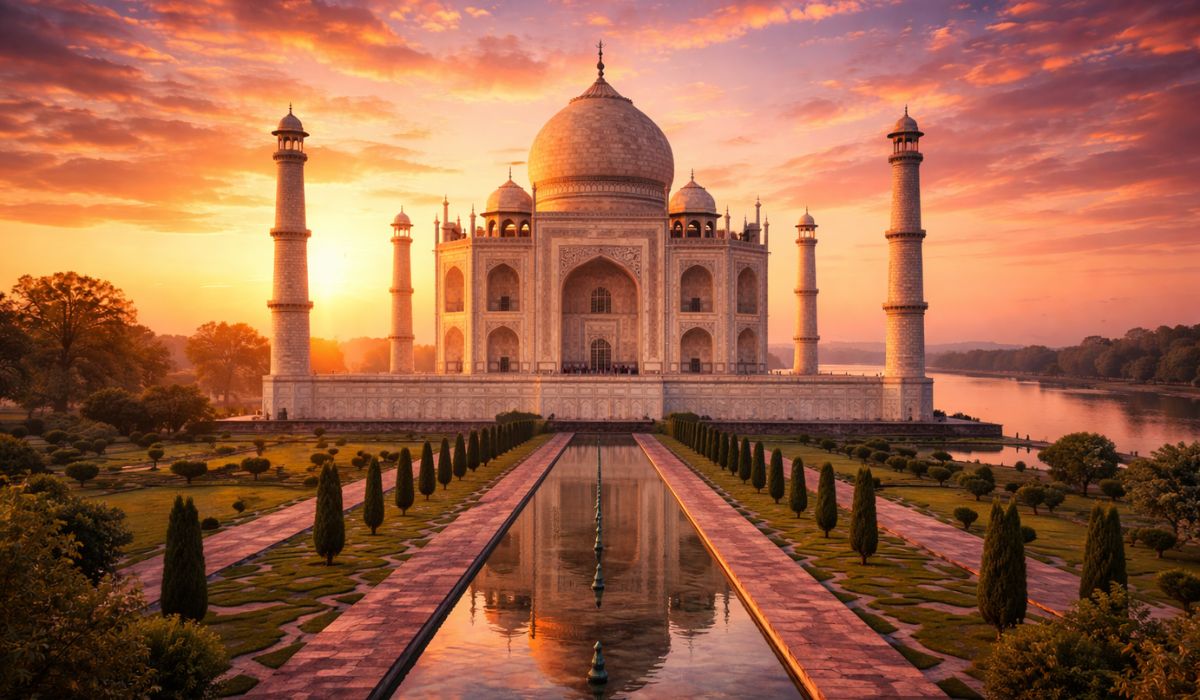
As the sun rises behind you and the soft pink and golden light falls on the white marble, the Taj Mahal looks almost unreal. The reflection in the long pool in front is perfectly still. The mist over the Yamuna River adds a dreamy, mysterious quality to the whole scene.
This is the best time to visit Taj Mahal if you hate crowds. Early mornings are far less busy. You can walk around freely, take photos without strangers in the background, and actually stand quietly in front of this wonder without someone bumping into you every two minutes.
Why Choose Sunrise?
- Fewer tourists — you get peaceful moments and clean shots
- Soft, warm golden light ideal for Taj Mahal sunrise photography
- The Taj Mahal looks slightly pink during sunrise — a rare, beautiful view
- Cooler temperatures, especially important during summer months
- Misty atmosphere near the Yamuna adds a magical feeling
Taj Mahal Sunrise Timing
The gate opens around 30 minutes before official sunrise. To catch the very first light, arrive at the East Gate by 5:30 AM in summer (April–September) or 6:00 AM in winter (October–March). Sunrise times in Agra vary from about 5:30 AM in June to around 7:00 AM in December.
The Taj Mahal Sunset Experience
If sunrises are not your thing (and honestly, waking up at 4:30 AM is not for everyone), the Taj Mahal sunset view is a brilliant alternative. The Taj Mahal closes about 30 minutes before sunset, so you have a window of roughly one to two hours in the late afternoon to catch the golden hour.
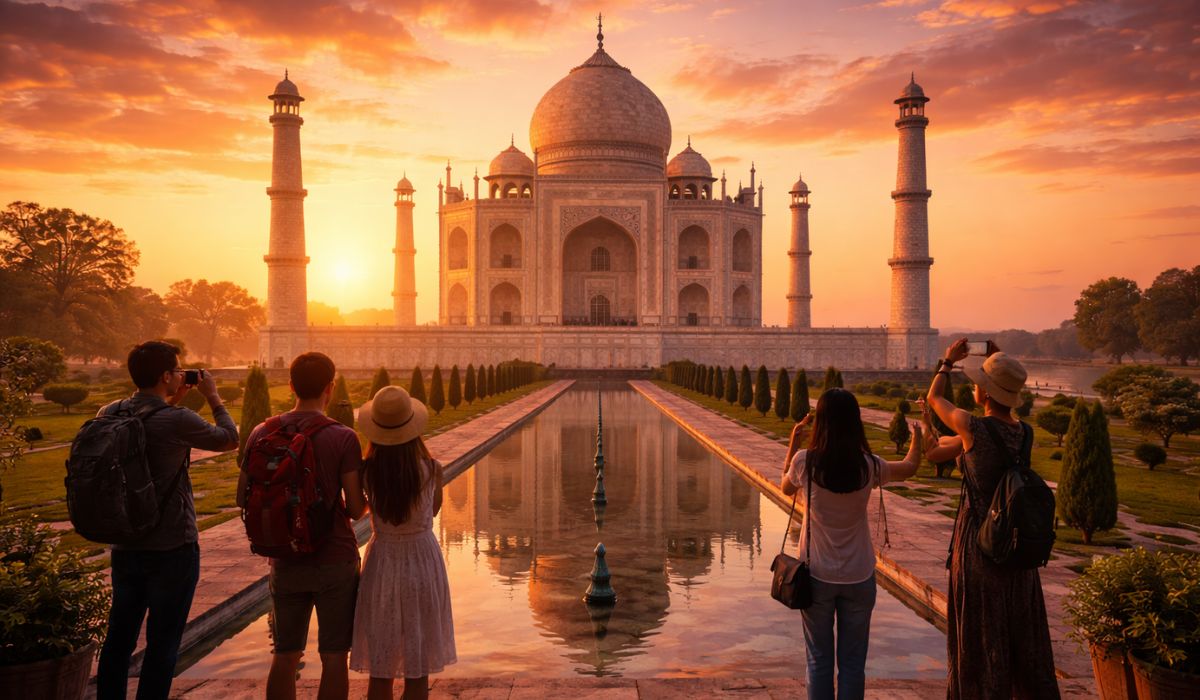
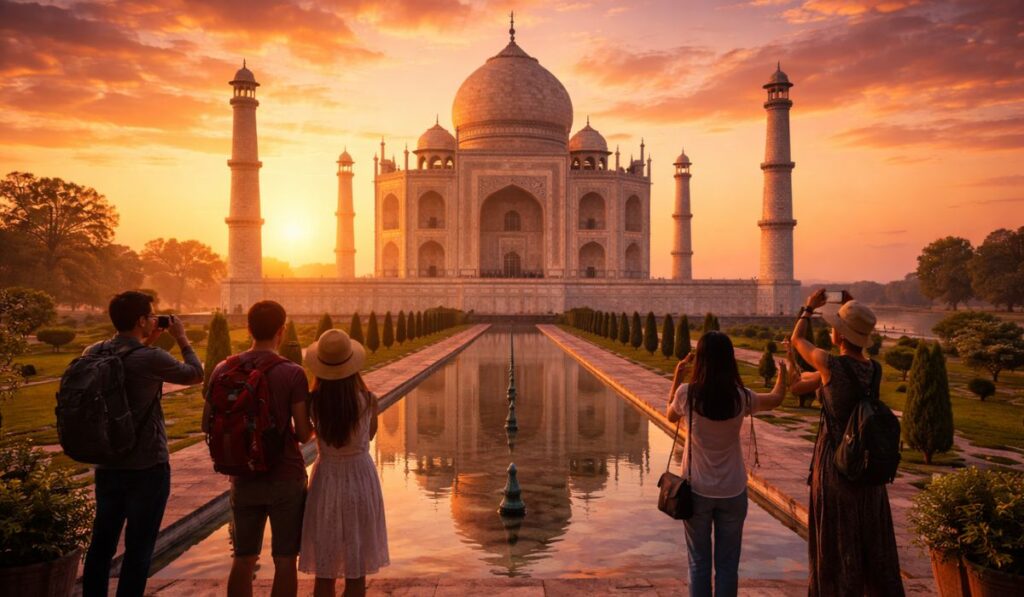
As the afternoon sun drops toward the horizon, the white marble soaks up warm orange and amber tones. The Taj Mahal literally seems to change color before your eyes — from bright white to golden yellow to soft peach. It is like watching a painting come to life.
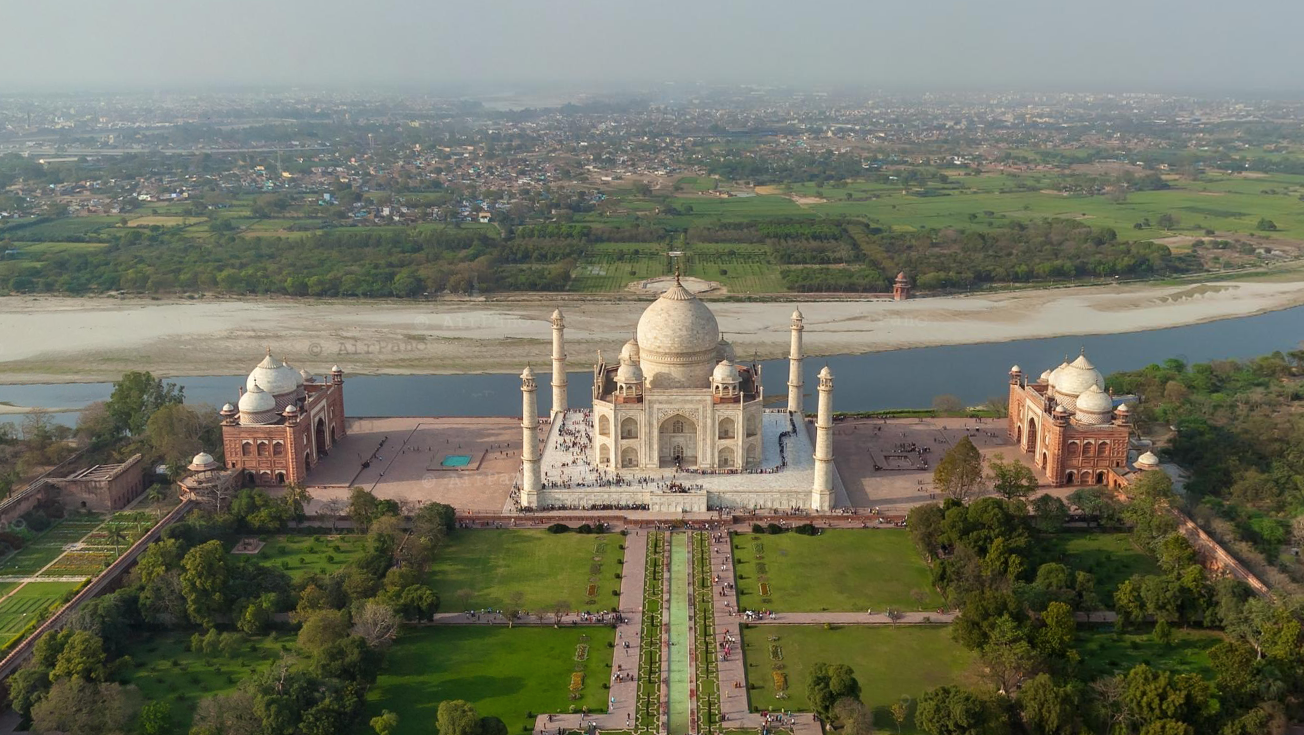
The Agra sunset view from the outer gardens or from Mehtab Bagh (the garden across the Yamuna River) is absolutely stunning. Many photographers actually prefer the Taj Mahal sunset photography because the light from the west hits the front face of the monument directly.
Why Choose Sunset?
- No need to wake up at the crack of dawn
- Warm golden hour light is perfect for dramatic photography
- The Taj Mahal turns golden and amber — a photographer’s dream
- Mehtab Bagh across the river offers a stunning alternative viewpoint
- More time in the day to explore Agra Fort and other sights before your visit
Sunrise vs Sunset Comparison Table
| Factor | Sunrise | Sunset |
| Crowd Level | Very low — peaceful | Moderate to high |
| Light Quality | Soft pink & golden | Warm amber & orange |
| Temperature | Cool & comfortable | Hot in summer |
| Photography | Great for reflection shots | Best for warm tones |
| Atmosphere | Calm, misty, dreamlike | Vibrant, golden, dramatic |
| Wake-up Time | Very early (4:30–6:00 AM) | Relaxed afternoon timing |
| Best Season | All year round | October to March |
| Recommended For | Photographers & early risers | Casual visitors & couples |
Best Time to Visit Taj Mahal for Photography
If Taj Mahal sunrise photography is your goal, there is no doubt — arrive before the gates open. The light during the first 30 to 45 minutes after sunrise is absolutely magical. The marble glows, the shadows are long and soft, and the crowd is thin enough to compose clean shots.
For Taj Mahal sunset photography, plan your visit on a clear day. October to February offers the clearest skies and the most beautiful warm light. Try heading to Mehtab Bagh (the Moonlight Garden) across the Yamuna River — it gives you a straight-on frontal view of the Taj Mahal with the river in the foreground. Many travel photographers consider this the best spot in all of Agra.
Pro tip: bring a wide-angle lens for full monument shots, and a zoom lens to capture the intricate marble inlay details. A tripod is useful at both sunrise and sunset since the light levels are lower.
Tips for Visiting the Taj Mahal
- Book your tickets online at the official ASI website to skip queues
- Carry a valid photo ID — it is required for entry
- Remove footwear before entering the main mausoleum (socks are fine)
- Carry water, especially in summer — it gets very hot inside
- Bags are checked at the entrance; large bags and food are not allowed
- Hire a local guide to understand the history and hidden details
- The Taj Mahal is closed every Friday for regular visitors
- Best months to visit Agra are October to March for pleasant weather
- Visit Agra Fort and Fatehpur Sikri while you are in the city
Personal Recommendation
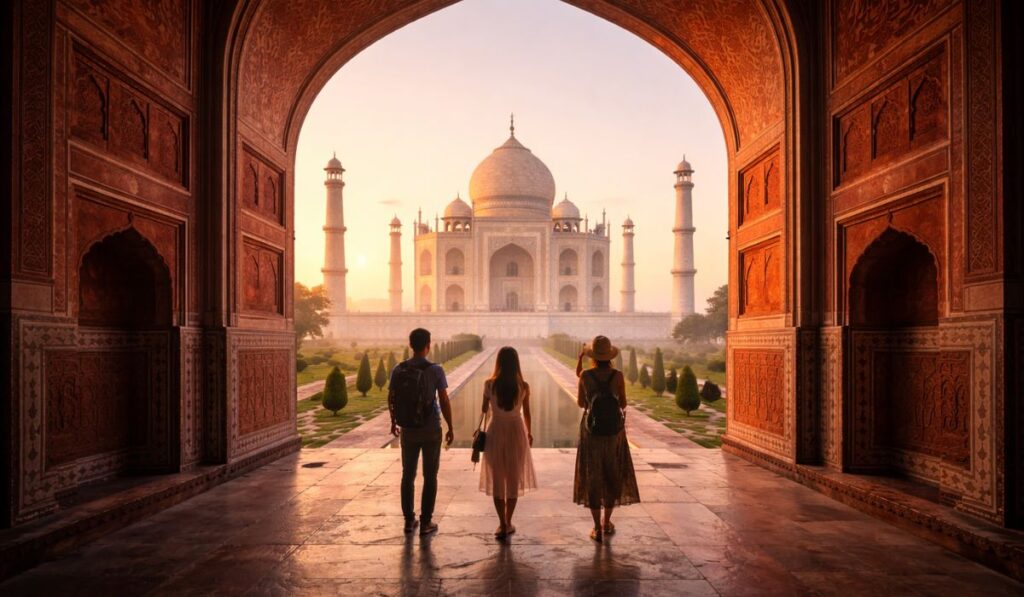
If you can manage only one visit, go for sunrise. Yes, it means waking up before dawn. Yes, it might feel difficult the night before. But standing in front of the Taj Mahal as the first light of day touches the marble — with barely anyone else around — is one of those travel moments you never forget.
The Taj Mahal sunrise view has a stillness that the sunset simply cannot match. The world feels quiet. The air is cool. The monument seems to breathe. It is the kind of experience that makes you understand why millions of people travel to Agra every year.
That said, if mornings are not your style, the sunset is still absolutely worth it. The golden tones on the white marble are dramatic and beautiful, and the relaxed afternoon timing lets you explore other Agra sights first.
Conclusion
So, Taj Mahal sunrise vs sunset — which one wins? Honestly, both are incredible. But for the sheer magic of soft morning light, quiet surroundings, and a once-in-a-lifetime feeling, sunrise takes the crown.
Whichever time you choose, visiting this UNESCO World Heritage Site is an experience that stays with you forever. Plan ahead, arrive early (at either end of the day), and soak in every single moment.
The Taj Mahal does not disappoint — no matter when you visit.
Frequently Asked Questions
The Taj Mahal opening time is around 30 minutes before official sunrise — approximately 5:30 AM in summer (April–September) and 6:00 AM in winter (October–March). Arriving at the East Gate early gives you the best chance to catch the very first light on the marble.
Sunrise is generally better for peaceful exploration and Taj Mahal sunrise photography — the crowd is thin and the soft golden light is magical. Sunset offers warm amber tones and a romantic atmosphere, making it a great option for casual visitors who prefer a relaxed afternoon visit.
Yes! The Taj Mahal closes about 30 minutes before sunset, so you have a window to enjoy the golden hour inside the complex. For an even better Agra sunset view, head to Mehtab Bagh across the Yamuna River — it offers a stunning frontal view of the monument in warm evening light.
Sunrise definitely has fewer crowds. Most tourists arrive during the day or late afternoon, so visiting Taj Mahal early morning gives you a far more peaceful experience. You can walk freely, take photos without strangers in the background, and truly soak in the atmosphere of this UNESCO World Heritage Site.
Yes, photography is allowed in most areas of the Taj Mahal complex. However, tripods and drones are generally not permitted. For the best Taj Mahal photography tips — bring a wide-angle lens for full monument shots and a zoom lens for the intricate marble inlay details. Sunrise gives the cleanest, softest light for photos.