Agra is more than just the Taj Mahal. This Agra travel guide will help you discover its rich history and culture beyond the famous white marble mausoleum. Once the capital of the Mughal Empire, Agra boasts world-class sights like the Agra Fort and other hidden gems. We’ve packed this guide with honest, on-the-ground tips to help families, couples, and solo travelers plan their trip. You’ll find practical advice on when to go, what to see, where to stay, and how to make your first visit relaxed and enjoyable. Let’s explore why Agra is special and how to make the most of your time here.
Slots fill up fast in peak season — secure your verified guide or tour today, one message away on WhatsApp.
💬 Chat on WhatsAppWhy Visit Agra?
Agra was the Mughal Empire’s capital under emperors like Babur, Akbar, and Shah Jahan. Its royal heritage is everywhere – from grand palaces to sprawling forts. For example, the Agra Fort (“Red Fort”) is a massive red-sandstone fortress built by Akbar in the 1500s, enclosing an imperial city of palaces, halls and mosques. Later Mughal rulers continued adding to Agra’s landscape. Shah Jahan’s legacy here is stunning: he built the iconic Taj Mahal (1631–48) in memory of his wife, considered a “jewel of Muslim art” and a world heritage masterpiece. Agra’s historical sites (many now UNESCO-listed) and its old bazaars make it more than a one-attraction town. The city also has a living culture – famous Mughlai food (biryani, kebabs, sweets) and centuries-old crafts – so it deserves at least a brief stay. In short, Agra’s mix of epic monuments and local life makes it a worthwhile stop on any trip through India.
Best Time to Visit Agra
Agra has three main seasons. Winters (October to March) are cool and pleasant, with daytime highs around 25°C. This is generally the best time to visit – the weather is mild and monuments stay open early for sunrise views. Summers (April to June) are scorching (often 40°C+), so exploring midday is hard. Monsoons (July–September) bring some rain but not much relief from the heat. For photos and comfort, Morning visits are ideal, especially if you are planning a Taj Mahal sunrise tour from Delhi.The light is soft, the temperature cooler, and crowds are lower. In late afternoons (around 3–5 PM) you also get nice golden light with fewer crowds. Avoid peak Indian holidays and weekends if you can: weekdays (especially Tues–Thurs) generally see fewer visitors. In summary, plan for winter mornings or late afternoons – Agra shines then, both in weather and light.
How Many Days Are Enough for an Agra Trip?
1 day: If you’re in a real hurry, one day can cover Agra’s highlights (Taj Mahal, Agra Fort, Itimad-ud-Daulah). You’d need to start at dawn and move quickly, but it’s doable. However, it will feel rushed, and you’ll miss the leisurely pace and extras (like local markets or nearby sites).
2 days: For most visitors, two days is ideal. On day one, visit the Taj Mahal at sunrise and explore Agra Fort in the morning, then enjoy local markets or Mehtab Bagh at sunset. On day two, see Itimad-ud-Daulah (the “Baby Taj”) and maybe add a trip to Fatehpur Sikri (just outside Agra) or more shopping. This gives time to relax and soak up the culture. Most travelers prefer a relaxed Agra overnight tour from Delhi to enjoy both sunset and sunrise views.
3 days: Three days are for those who want to savour everything at a relaxed pace – visiting unhurriedly, trying more food spots, or adding extra excursions (like a wildlife safari near Agra).
In short, 2 days is the “sweet spot” to see the main Agra sightseeing places comfortably.
Top Places to Visit in Agra
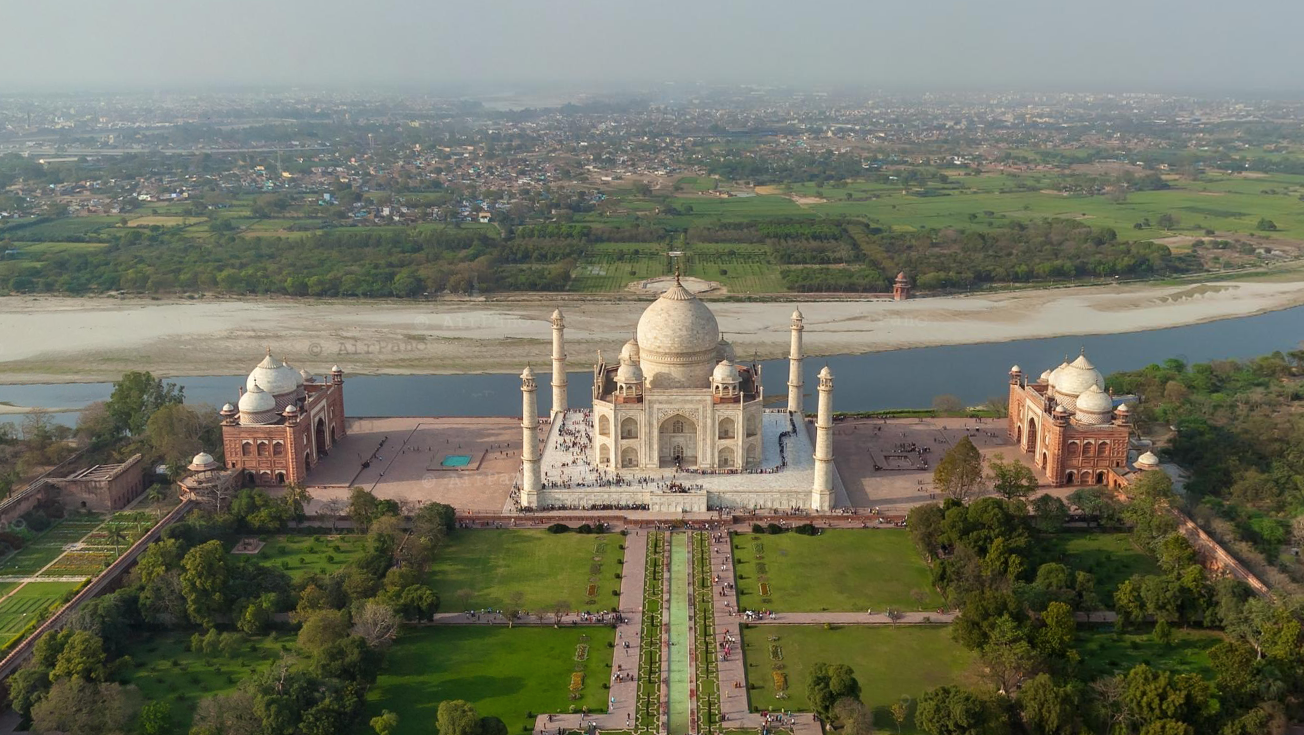
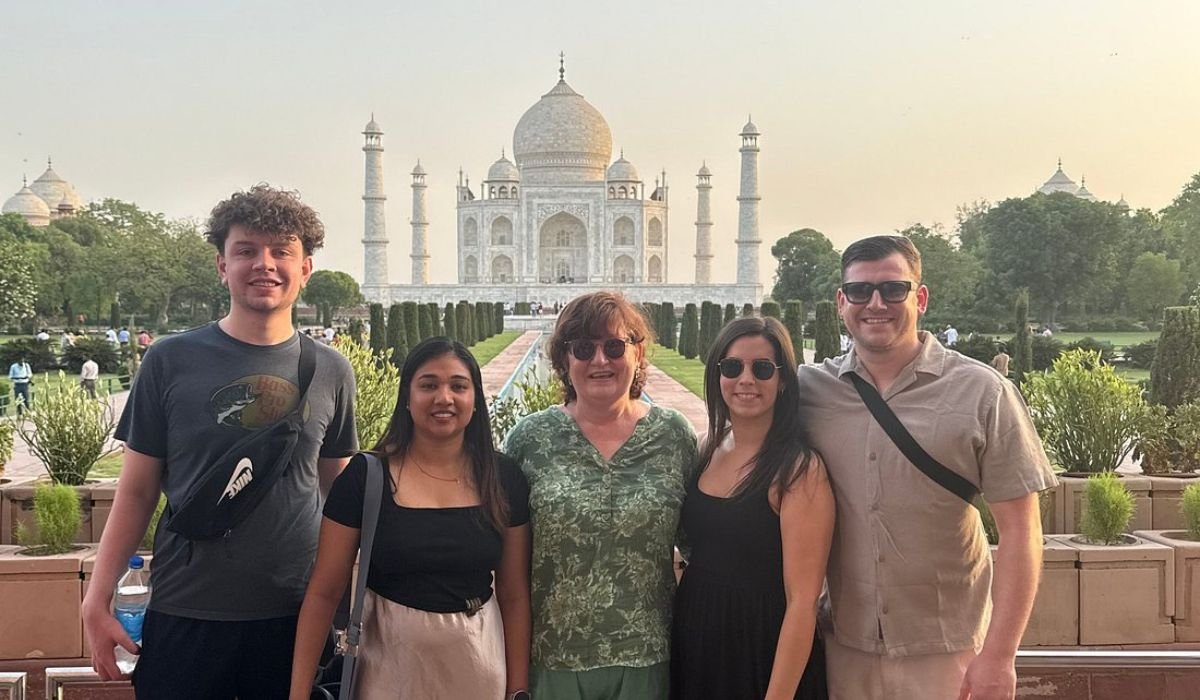
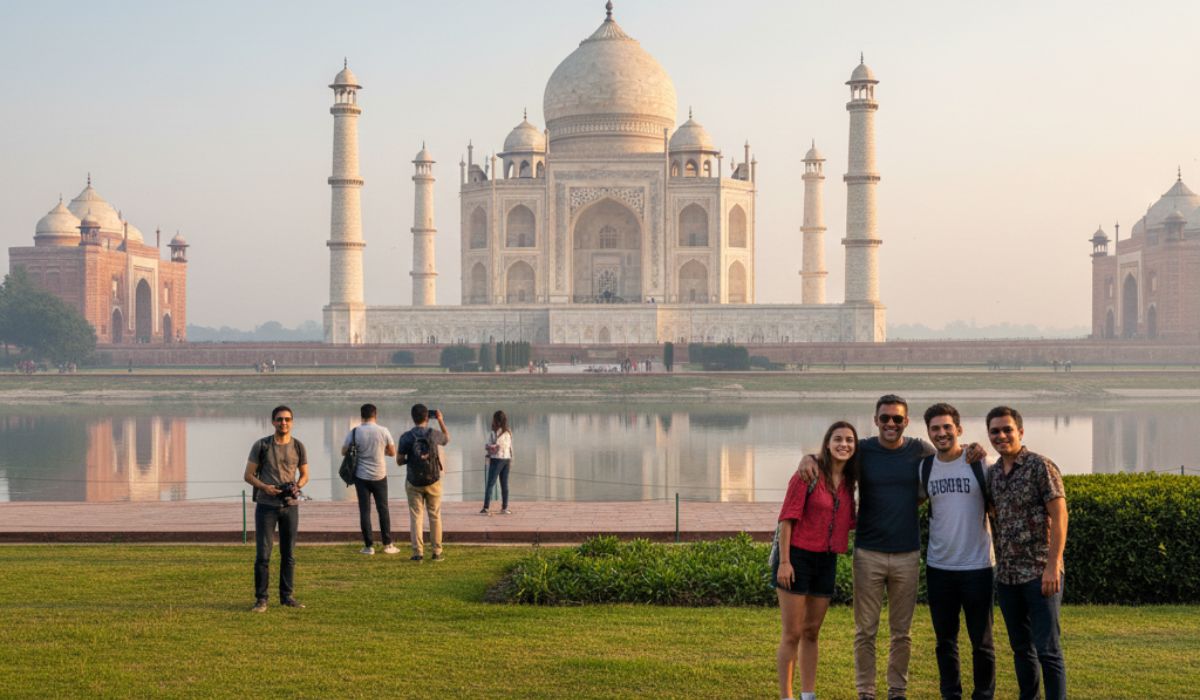
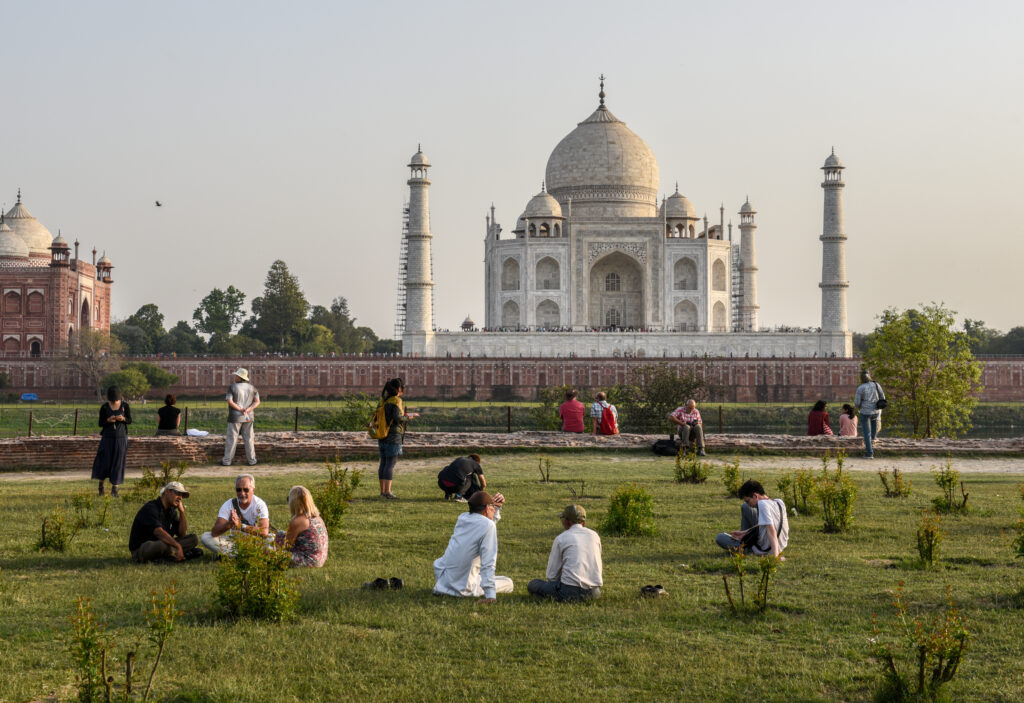
Taj Mahal: The city’s star attraction is the Taj Mahal (completed 1648) – an immense white-marble mausoleum built by Shah Jahan for his wife. It’s globally acclaimed for its beauty. Arrive at sunrise or sunset when its reflection in the pool and evening glow are magical. Note that the Taj and the Agra Fort together “show an exceptional and complementary evidence of a vanished Mughal civilization”. Tickets are cheaper for locals, so as a foreigner expect about ₹1,100 plus a small fee for inside entry.
Read our detailed Taj Mahal ticket booking guide to avoid long queues and scams.”
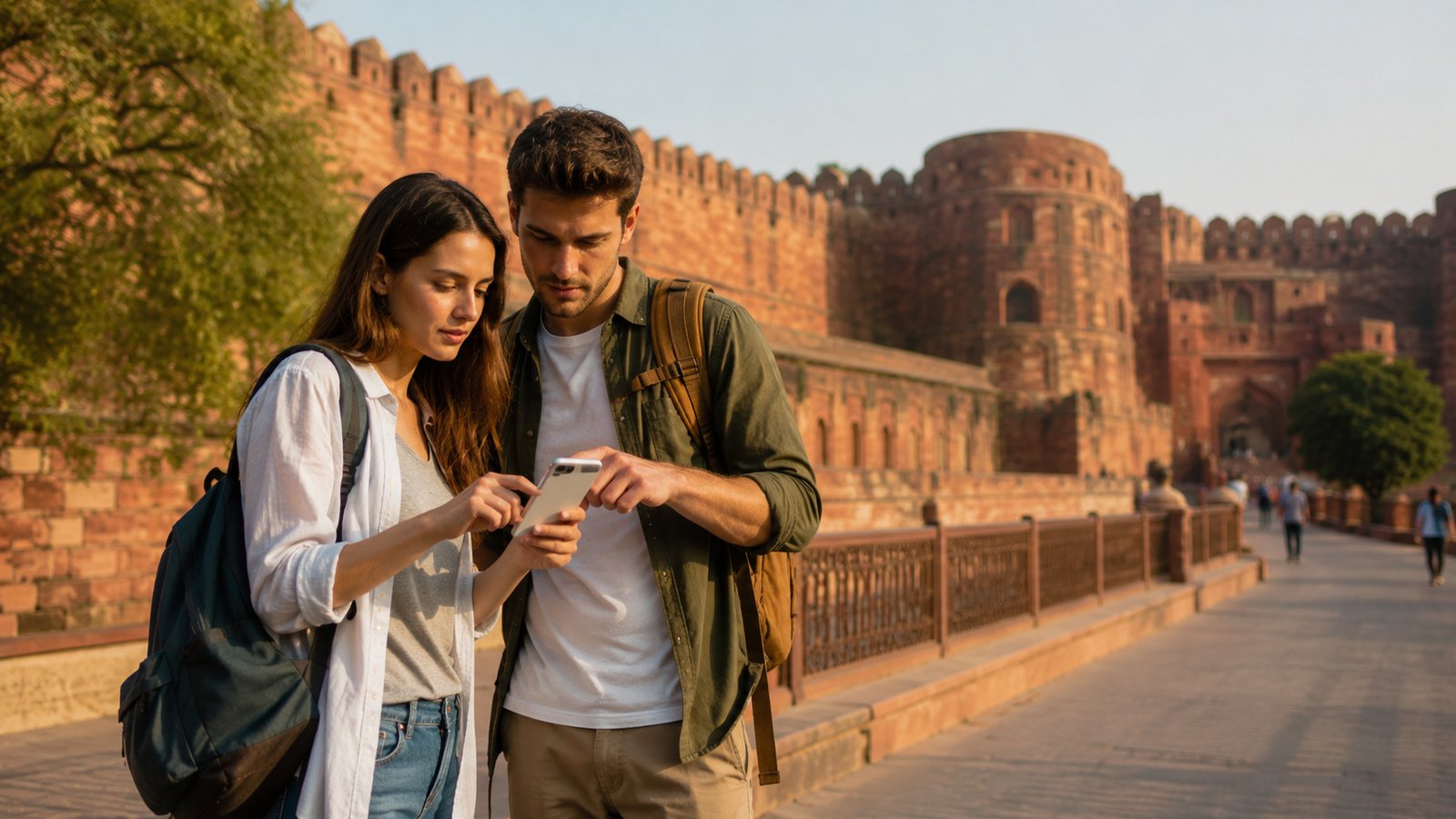
Agra Fort: A short distance from the Taj, the Agra Fort (often called the Red Fort of Agra) is a powerful 16th-century Mughal fortress. Its 2.5 km red-sandstone walls enclose the old imperial city. Inside, you’ll find fairy-tale palaces (Jahangir Palace, Khas Mahal), grand audience halls (Diwan-i-Khas), and two lovely mosques. Climb its ramparts for a great view back towards the Taj.
Mehtab Bagh: Across the Yamuna River from the Taj, this quiet “Moonlight Garden” offers a different view of the mausoleum. The Mehtab Bagh charbagh was the last of 11 Mughal gardens built along the river, originally created as a pleasure garden to view the Taj by moonlight. Today, its pools and pavilions still reflect the Taj from afar. It’s an ideal spot for an evening stroll (or photography) away from crowds.
Itimad-ud-Daulah (Baby Taj): On the same side of the river as the Taj, don’t miss this delicate marble tomb. Built 1622–28 by Empress Nur Jahan for her father, it’s often called the Baby Taj. Itimad-ud-Daulah’s Tomb was the first Mughal monument made entirely of white marble, adorned with fine inlay work that actually served as a precursor to the Taj Mahal. The jewel-like carvings and garden setting make it well worth the visit.
Each of these Agra sightseeing places showcases Mughal artistry and history. Plan at least 2–3 hours at the Taj Mahal and Agra Fort to appreciate their details.
Things to Do in Agra Besides Sightseeing
- Sunrise at the Taj: Wake up early for sunrise at the Taj. You’ll enjoy cooler temperatures, softer golden light, and far fewer tourists. It’s a peaceful, unforgettable experience and makes great photos.
- Savor Local Food: Agra is famous for Mughlai cuisine. Try local specialties – juicy kebabs, spicy biryani, and sweets. Must-try treats include petha (a candied pumpkin sweet) and dal moth (a tangy spiced mix). Finish with a lassi (sweet yogurt drink) or the famous Agra jalebis.
- Shopping for Handicrafts: Agra’s bazaars are treasure troves of crafts. The city is renowned for its marble inlay (Pietra Dura) work, the same craftsmanship seen in the Taj. At Sadar Bazaar and Kinari Bazaar you can find marble boxes, inlaid trays, leather goods, and embroidered textiles. For example, Sadar Bazaar is known for leather bags, marble decorative items, embroidered textiles, perfumes and handicrafts. Haggle politely and buy direct from artisans to get authentic items.
- Wander Old Markets: Spend an evening strolling the narrow lanes around Jama Masjid and Sadar Bazar. These markets have colorful stalls and street food. It’s a great way to soak up local life. (Tip: Avoid poorly lit alleys at night.)
- Attend a Mughlai Cooking or Crafts Demo: Some local workshops offer short classes in making petha or doing marble painting. This can be a fun break.
Where to Stay in Agra
For accommodation, consider location and your budget. Taj Ganj (the old city near the Taj) is a popular area for travelers. It has many guesthouses and budget hotels within walking distance of the Taj Mahal. For example, Hotel Sun Grand is a well-reviewed three-star boutique hotel only about an 8-minute walk (600 m) from the Taj. Staying in Taj Ganj puts you in easy reach of early-morning visits.
Budget options: Besides Taj Ganj, look in areas like Sadar Bazaar or near Agra Fort, where you’ll find budget lodges and hostels. These are cheaper but still close to key sites.
Mid-range hotels: The Fatehabad Road and Civil Lines area (north of Taj Ganj) has many mid-range hotels and chain properties (e.g. Courtyard by Marriott Agra, Howard Plaza, or Trident Agra). This area is more modern and might feel quieter at night.
Luxury stays: If splurging, Agra has a few high-end resorts. The Oberoi Amarvilas (famous for its direct Taj view) and ITC Mughal (a lavish resort with gardens and spa) are the top luxury hotels. There’s also the Jaypee Palace (a bit outside town) with golf and pool. These high-end hotels offer spa facilities and fine dining.
No matter where you stay, book early during peak season. Read recent reviews to pick a place known for clean rooms and friendly service. Many hotels can arrange airport or railway pickup and drop-offs – use those to avoid taxi haggling.
If you prefer comfort and safety, explore curated Taj Mahal tour packages with hotel and transport included
Getting Around Agra
Getting around Agra is relatively easy:
- Auto-rickshaws and cycle-rickshaws: For short hops (1–2 km), auto-rickshaws are handy. Always agree on the fare upfront or insist the driver use the meter. Cycle-rickshaws can navigate tight lanes; use them for very short trips. Note that drivers may overcharge tourists, so ask your hotel or a shopkeeper for a rough price if unsure.
- App-based taxis: Uber and Ola both operate in Agra. These can be convenient and often cheaper than private taxis if you watch surge pricing. They’re especially good for airport/railway transfers or all-day hires (you can even book drivers by the hour).
- Car hires: You can hire a taxi for the day to take you to all sights (and even Fatehpur Sikri nearby) for a fixed price. It’s more comfortable in summer if you prefer air-conditioning.
- Walking: The area around the Taj Mahal, Agra Fort, and Baby Taj is quite walkable. If temperatures are comfortable, strolling between them is a good way to explore hidden lanes and photo spots. Just remember the sun can be very strong; carry water, wear a hat, and take breaks in the shade.
- Local buses: Agra has buses and e-rickshaws, but these are generally slower and less convenient for tourists.
Always keep your belongings secure in transport (as in any big city). Stick to reputable drivers. If going out after dark, prefer a booked taxi to walking.
Practical Travel Tips for First-Time Visitors
- Tickets: Buy Taj Mahal and Agra Fort tickets online in advance via the official Archaeological Survey of India (ASI) e-booking site (asi.payumoney.com). This saves time in line. Note: The Taj closes on Fridays (open for Friday prayers). During weekends and Indian holidays, arrive early (when it opens) to avoid crowds.
- Guides: Only hire ASI-approved guides inside the monuments. If a tout offers you a low price tour, politely decline unless you’re sure they are licensed. A good guide can explain the history and point out details.
- Clothing & Comfort: Agra gets very hot in summer. Wear light, breathable cotton clothing; bring a wide-brimmed hat, sunglasses, and sunscreen. Winters can be chilly in the morning, so carry a light jacket. Comfortable walking shoes are a must. Modest dress is appreciated, especially at religious sites: cover shoulders and knees as a sign of respect.
- Heat & Hydration: Always carry water. Take breaks indoors or in shade during midday (10am–3pm) when temperatures peak. The Taj site gives foreign visitors a free bottle of water at entry, and you can refill water bottles at taps near monuments.
- Scams to Avoid: Agra is touristy, so watch out for pickpockets in crowded bazaars. Beware of people who claim a monument is closed or under special entry rules—they may want to sell you a fake guide. Only trust authorized sellers (the ASI window or official websites) for tickets and tours. Likewise, don’t fall for “taxi scams” – use metered/official cabs or app cars. A local advice: “always rent or buy from reputable companies; beware of ‘too good to be true’ offers”.
- Health: Drink only bottled or boiled water. Be cautious with street food – stick to busy stalls and freshly cooked items. Keep a small medical kit for any minor issues. If you need help, hotels can arrange English-speaking doctors or pharmacies.
- Planning: Make a rough itinerary but allow flexibility. Early starts are worth it to beat heat and crowds. Allow extra time for security checks at popular sites. And remember – soak up the local atmosphere too (enjoy chai at a roadside stall or watch artisans at work).
Is Agra Safe for Tourists?
Yes, Agra is generally safe for travelers, but use normal caution. A travel guide notes that “Agra is generally a safe city for tourists. Violent crime against tourists is rare. Petty theft (pickpocketing) can happen in crowded markets, so keep valuables secure and be alert. Most visitors walk around unbothered during daylight hours.
For women and solo travelers, Agra is still visitable, but sensible precautions are wise. Avoid deserted areas and walking alone after dark. Stay in well-trafficked districts (like Taj Ganj or Fatehabad Road). Many female travelers report no issues by traveling in groups or with a guide. In short, Agra rewards vigilance but not paranoia – just like any other city, stay aware of your surroundings.
Conclusion
Agra is a city of timeless beauty and rich history, not just a one-hit destination. For first-time visitors, a bit of planning goes a long way: go in the cooler months, start early, and pick the right areas to stay. Explore beyond the Taj Mahal – enjoy the grand Agra Fort, serene gardens, and vibrant markets. With easy transport options and friendly locals, you’ll find Agra both welcoming and fascinating. Keep these tips in mind, stay relaxed, and you’re set for a smooth, memorable trip to Agra.
If Agra is your first stop in India, you can also combine it with Delhi and Jaipur in a 3 Days Golden Triangle Tour.
FAQs
Q: Is Agra safe for first-time visitors?
A: Yes. Agra is generally safe for tourists. Most visits are trouble-free. As always, take basic precautions: avoid isolated spots at night, watch your bags in crowds, and use reputable transport. Women travelers report feeling comfortable during daytime hours; just stick to busy areas and consider a guide or partner in the evening.
Q: How many days are enough for Agra?
A: For most people, two days is ideal. One day can cover the highlights (Taj, Fort, etc.) if you’re in a rush, but it will be hectic. Three days lets you relax, shop, and even take a side trip (like Fatehpur Sikri). So plan for two, with an extra day if you want a slower pace.
Q: What is the best time to visit Agra?
A: The best weather is October to March (winter months), when it’s cool and pleasant. Summer (April–June) is extremely hot; monsoon (July–Sept) has some rain. For crowds and light, mornings and late afternoons are recommended. Avoid Indian public holidays when domestic tourists flock in.
Q: Is Agra worth visiting besides the Taj Mahal?
A: Absolutely. Agra’s other monuments are equally impressive. Agra Fort, built by the Mughals, is a UNESCO World Heritage site with stunning palaces and ramparts. The Itimad-ud-Daulah (Baby Taj) is a delicate marble tomb that inspired the Taj. There are also lively bazaars, Mughal-era museums, and nearby Fatehpur Sikri to explore. In fact, UNESCO points out that the Taj and Agra Fort together showcase a “disappeared Mughal civilization”, so there’s plenty beyond the main mausoleum.
Q: Where should first-time visitors stay in Agra?
A: A convenient area for newcomers is Taj Ganj (Old City), close to the Taj Mahal. It has many guesthouses and budget hotels. For example, Hotel Sun Grand is a well-rated, 3-star boutique hotel just ~600 m (8-minute walk) from the Taj. This makes early visits easy. Another good zone is Fatehabad Road/Civil Lines, a bit north of the old city, which has mid-range hotels and chains (e.g. Courtyard Marriott, Trident, etc.) that are comfortable and well-connected. Luxury travelers often pick the premises of ITC Mughal or Oberoi Amarvilas for top-tier amenities. Choose a place that matches your budget and preferred neighborhood – both areas are safe and tourist-friendly.
✍️ About the Author
Written by Amsah Tours, a trusted India travel specialist offering Taj Mahal sunrise tours, Agra overnight trips, and Golden Triangle tours. Their guides are based on real travel experience and focus on safety, comfort, and first-time visitor needs.
Experience: 5+ years in India-focused travel planning
Location Focus: Agra, Taj Mahal, Delhi & North India