Things to Know Before Visiting India (2026 Guide for First-Time Visitors)
“India doesn’t just change your itinerary. It changes you.”
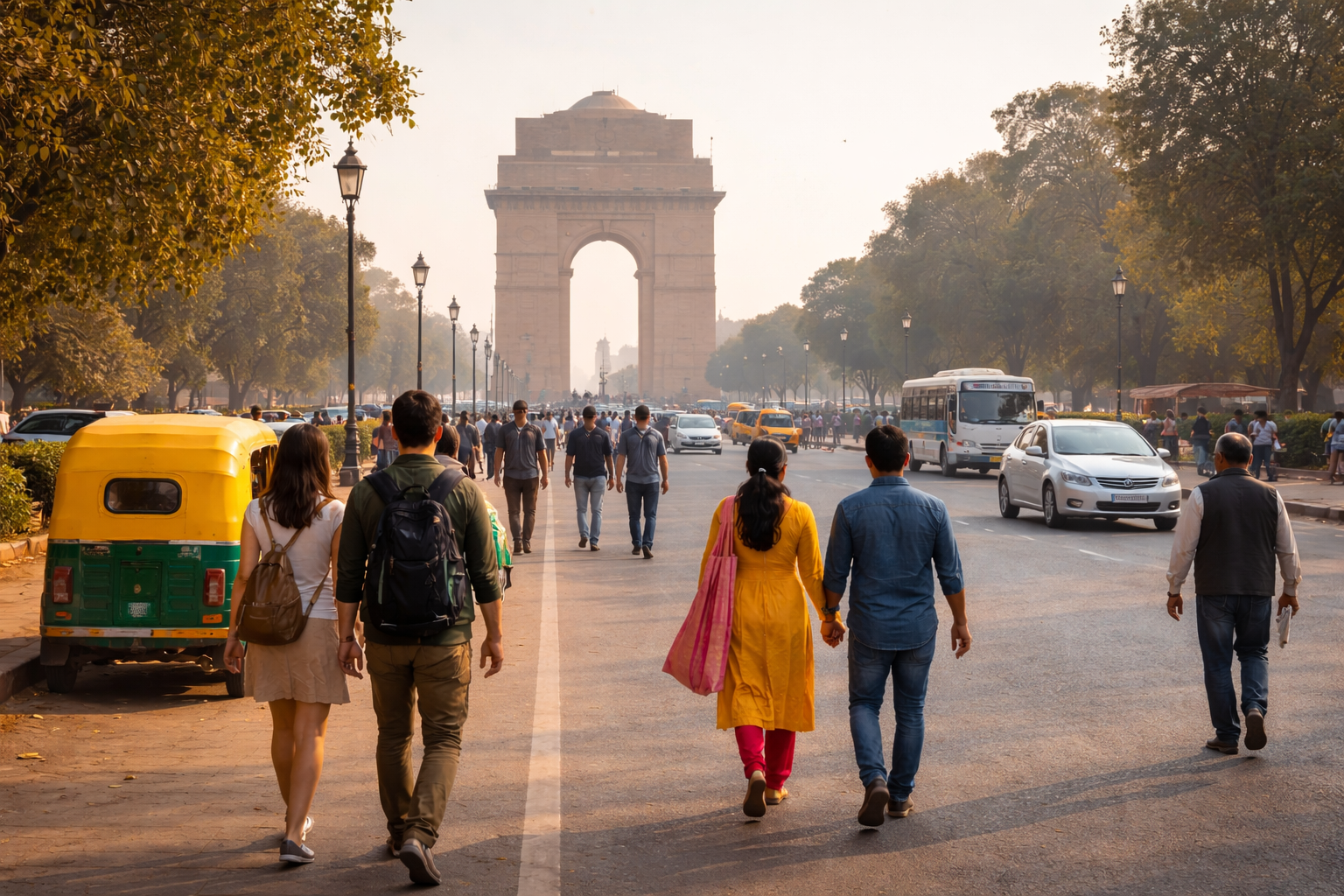
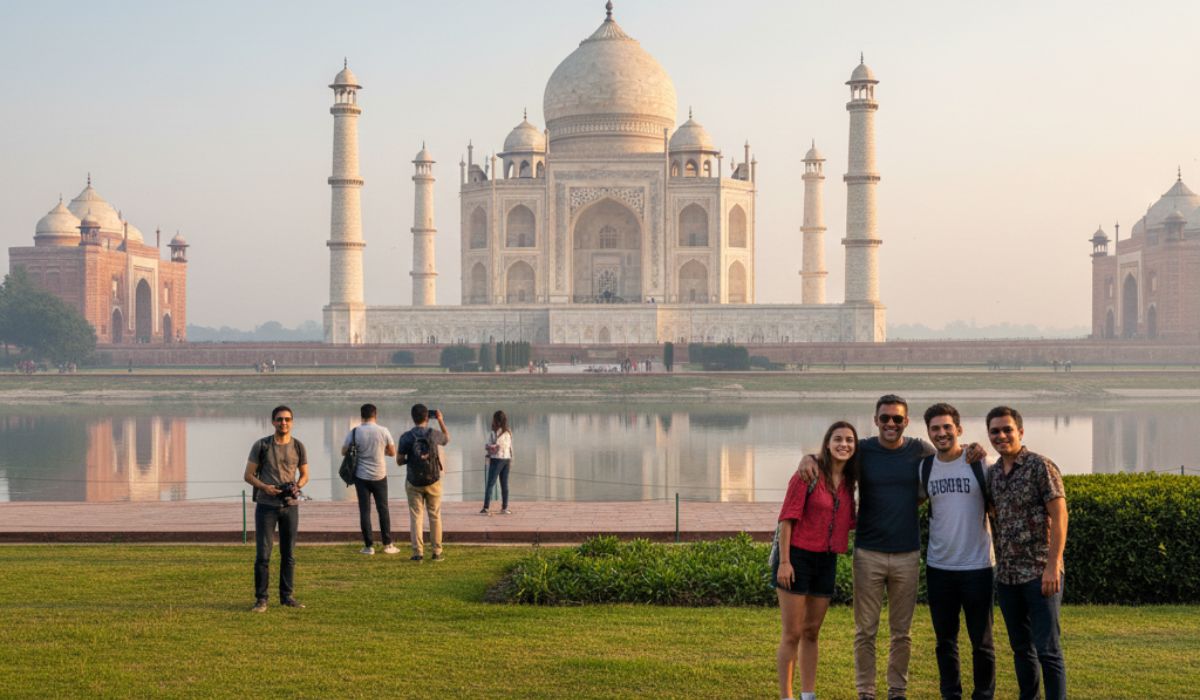
So you’re planning a trip to India. Maybe you saw a photo of the Taj Mahal and felt goosebumps. Maybe someone told you about the colors, the chaos, the food — and now you can’t stop thinking about it.
You’re excited. Maybe a little nervous too. And honestly? Both feelings make complete sense.
India is not your typical travel destination. It’s loud, spiritual, overwhelming, warm, ancient, and alive all at once. It can surprise you at every turn — and that’s exactly why millions of travelers fall in love with it every year.
But here’s the truth: India rewards the prepared traveler. The more you know before you go, the more you’ll enjoy every single moment.
This is your complete India travel guide for first-time visitors. Let’s make sure you arrive ready.
1. Visa & Entry Rules
Before anything else — let’s talk about how to actually get into the country.
India offers an e-Visa (eTV) for citizens of most countries. It’s simple, fast, and done entirely online. No embassy visits, no long queues.
How to Apply for an India e-Visa
Go to the official Government of India e-Visa website
Fill out the application form and upload your photo + passport scan
Pay the fee online (usually USD $25–$80 depending on your nationality)
Receive your e-Visa via email within 3–5 business days
Print it out or save it on your phone
💡 Pro Tip: Apply for your e-Visa at least 4–7 days before travel. Processing can sometimes take longer during peak seasons — don’t leave it for the last minute.
The e-Visa is valid for a double entry and comes in 30-day, 1-year, or 5-year options. Your passport must be valid for at least 6 months beyond your travel date.
2. Culture & Traditions
India is one of the oldest civilizations on Earth. Its culture is layered, diverse, and deeply rooted. What’s normal in Mumbai might feel completely different in a Rajasthani village.
Here’s what shapes everyday life in India:
Religion is central. India is home to Hinduism, Islam, Sikhism, Buddhism, and more. Temples, mosques, and shrines are everywhere — and they’re sacred spaces.
Family is everything. Multi-generational households are common. Respect for elders is a deeply held value.
Festivals are a big deal. Diwali, Holi, Eid, and Navratri can completely transform a city. If you visit during a festival, consider yourself lucky.
India is not one place. Every state has its own language, cuisine, clothing, and customs. The South is very different from the North. Always research the specific region you’re visiting.
3. Weather & Best Time to Visit
This is one of the most common questions from first-time visitors — and for good reason. India has three main seasons, and choosing the right time can make or break your experience.
Season
Months
What to Expect
☀️ Winter
Oct – Feb
Best time to visit. Cool, pleasant weather. Peak tourist season.
🔥 Summer
Mar – Jun
Extremely hot in most regions. Avoid if possible. Hill stations are the exception.
🌧️ Monsoon
Jul – Sep
Heavy rainfall, lush greenery. Fewer tourists and lower prices — but some areas flood.
Best Advice:October to February is ideal for first-time visitors. The weather is comfortable, skies are clear, and all major attractions are fully accessible.
4. Food & Hygiene Tips
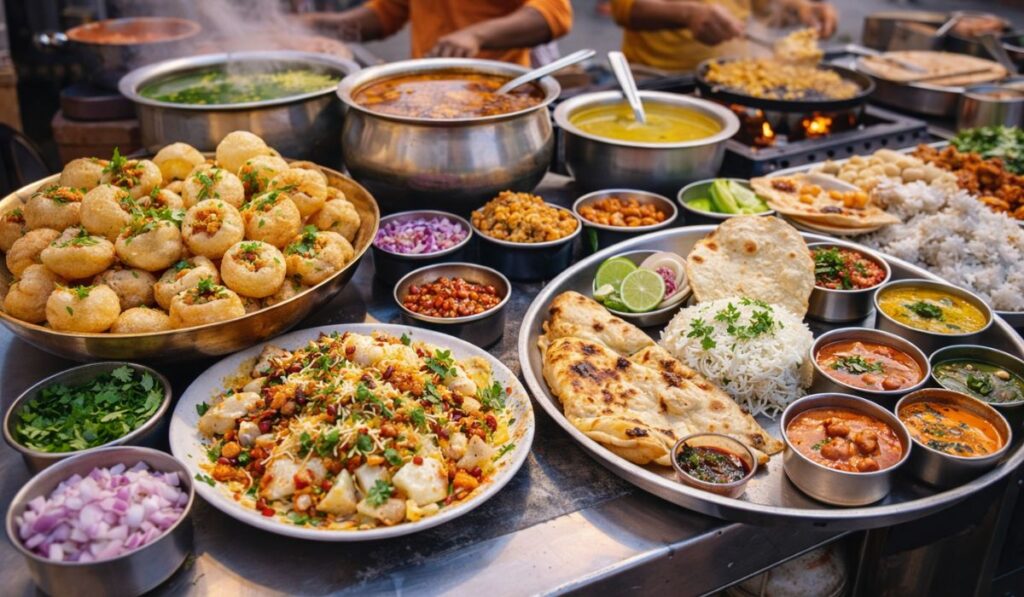
Indian food is one of the greatest joys of the trip. Curries, biryanis, street snacks, fresh chai — you’ll want to eat everything. But smart food choices will keep you healthy and happy throughout your journey.
Eat This Safely
Freshly cooked, hot food from busy stalls or restaurants
Bottled water (always — never tap water)
Fruits you can peel yourself (banana, mango, papaya)
Dal, rice, roti — staple foods that are generally safe everywhere
Be Careful With
Raw salads and uncooked vegetables at low-budget places
Roadside juice stalls (ice can be made from tap water)
Dairy products in hot weather if not refrigerated properly
Spice levels — Indian food can be significantly spicier than expected
Health Note: Bring oral rehydration salts, antidiarrheal tablets, and probiotics in your travel kit. Delhi Belly (traveler’s diarrhea) is a real thing. Being prepared means you lose one day, not five.
5. Cultural Etiquette — Do’s & Don’ts
Indians are incredibly welcoming people. A little cultural awareness goes a very long way.
Do’s
Remove shoes before entering temples or homes
Dress modestly at religious sites (cover shoulders and knees)
Greet with “Namaste” — it always gets a smile
Use your right hand for eating and giving/receiving things
Ask before photographing people
Carry a scarf or dupatta as a cover-up
Don’ts
Don’t touch someone’s head (considered sacred)
Don’t show affection publicly in conservative areas
Don’t eat beef in Hindu areas or pork in Muslim areas
Don’t point your feet toward religious images or elders
Don’t raise your voice or show anger — it rarely helps
Don’t dismiss local customs even if they feel unfamiliar
6. Transportation in India
India has a vast and complex transport network. The good news? You have plenty of options at every budget level.
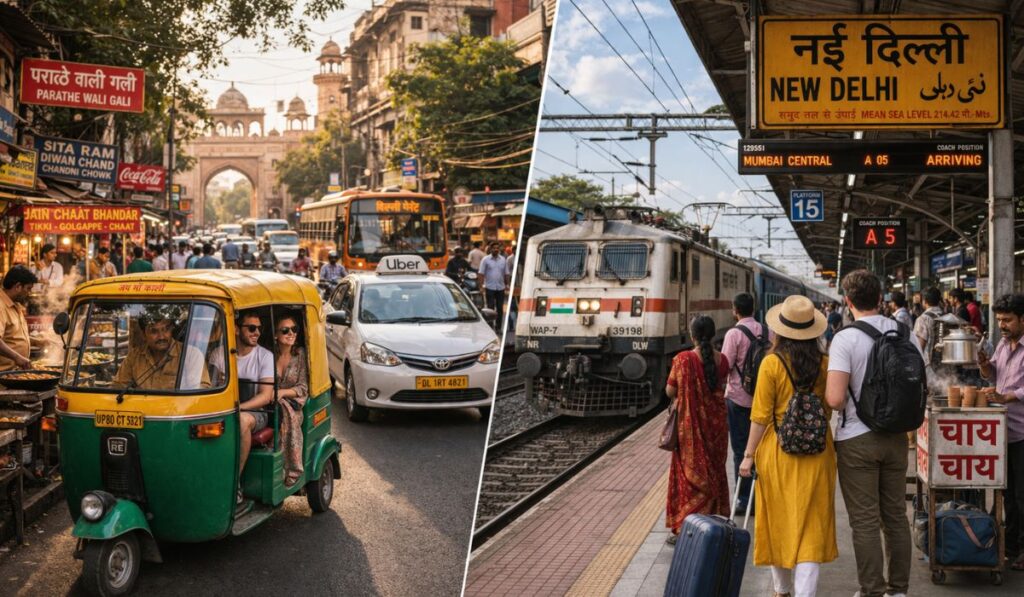
Trains: The Indian Railways network is legendary. Book through the IRCTC website or app. Trains connect almost every major city and are the most authentic way to travel India. Book in advance — trains fill up fast.
Domestic flights: IndiGo, Air India, and SpiceJet offer affordable domestic routes. Perfect for covering long distances quickly.
Auto-rickshaws: The iconic three-wheelers are great for short city trips. Always negotiate the fare before getting in — or insist on the meter.
App-based cabs: Uber and Ola operate in most Indian cities and are reliable, metered, and safe for solo travelers.
Intercity buses: Budget-friendly for short routes. For overnight trips, choose sleeper buses over regular ones.
Is India safe for tourists? Yes — for most visitors, India is a safe and welcoming destination. But like any large country, it pays to be smart and aware.
Keep digital and physical copies of your passport and visa
Share your itinerary with someone at home
Use app-based cabs (Uber/Ola) rather than unmarked taxis at night
Keep your bag in front of you in crowded areas
Avoid isolated areas — especially at night — in unfamiliar cities
Solo female travelers should stay in reputable, well-reviewed accommodations
Dress conservatively in smaller towns and rural areas
Trust your gut. If something feels off, walk away.
Must-Have Apps: Download Google Maps, Uber/Ola, IRCTC Rail Connect, and Google Translate before landing. They will solve 90% of your daily navigation challenges.
8. Common Mistakes Tourists Make in India
Even well-prepared travelers make avoidable errors. Here’s what to watch out for:
Overpacking the itinerary. India moves at its own pace. Traffic, delays, and serendipity will change your plan. Leave breathing room — the best experiences are often unplanned.
Not bargaining at markets. At street markets and bazaars, bargaining is expected. The first price is rarely the real price. Be friendly, not aggressive.
Drinking tap water. Always. Bottled. Water. No exceptions.
Assuming everything is the same. North India is culturally very different from South India. Research your specific destination, not just “India.”
Ignoring altitude. If you’re heading to Ladakh, Manali, or Sikkim — acclimatize properly. Altitude sickness is real and hits fast.
Exchanging money at the airport. Rates are poor. Use an ATM or exchange money at authorized dealers in the city.
9. Scams to Avoid in India
Most people you meet in India are genuinely kind. But tourist scams do exist — especially in high-traffic areas.
⚠️ The “Taj Mahal is closed today” scam: A stranger tells you the monument is closed and offers to take you to a shop instead. Ignore this — always check official hours yourself.
⚠️ The fake gem/carpet deal: You’re promised a “special wholesale price” to resell goods at home. They’re usually fake and worthless.
⚠️ Overpriced auto-rickshaws: Drivers who don’t use the meter and charge foreigners 5x the local rate. Always agree on the fare first — or use Ola/Uber.
⚠️ Fake tourist offices: Unofficial “government tourism offices” near major landmarks. Stick to your hotel or verified platforms for booking tours.
⚠️ The holy man blessing: Someone ties a thread on your wrist and then demands payment. You can politely decline and walk away.
10. Budget Tips for India Travel
India is one of the most affordable travel destinations in the world — if you know how to spend smartly.
Category
Budget Traveler
Mid-Range
Luxury
Accommodation (per night)
$8–$20
$30–$80
$150+
Food (per day)
$5–$10
$15–$30
$50+
Local transport
$2–$5
$8–$20
$40+
Sightseeing (per day)
$3–$8
$15–$40
$60+
Daily Total (approx)
$18–$45
$70–$170
$300+
💰 Money-Saving Tip: Eat where locals eat, travel by train between cities, and book accommodation slightly outside the main tourist zones. You’ll save significantly without missing anything important.
11. Pro Tips for First-Time Visitors
These are the things experienced India travelers wish someone had told them on their first trip:
Carry Cash — Many smaller towns, rickshaw drivers, and local restaurants don’t accept cards. Keep a mix of smaller denominations handy.
Get a Local SIM Card — Jio or Airtel prepaid SIMs are cheap and fast. You’ll need internet for navigation, ride apps, and translation tools.
Pack Light, Buy Local — India’s markets are incredible. Leave space in your bag for the gorgeous textiles, spices, and crafts you’ll pick up along the way.
Be Patient — India runs on its own rhythm. Queues, delays, and detours are part of the experience. Patience transforms frustration into a story.
Travel Insurance Is Non-Negotiable — Medical care in India can be inexpensive, but unexpected situations happen. A good travel insurance policy is essential.
Say Yes to Chai — When someone offers you tea, say yes. Some of the warmest conversations happen over a simple cup of chai.
12. Frequently Asked Questions
What should I know before going to India for the first time?
Apply for your e-Visa early, pack modest clothing, drink only bottled water, and be prepared for a sensory-rich experience. India is busy, beautiful, and unlike anywhere else. Stay flexible, be curious, and respect local customs — you’ll have an incredible time.
Is India safe for tourists?
Yes, India is generally safe for tourists. Millions of international visitors travel through India every year without incident. The key is to stay aware, use reliable transportation (Uber/Ola), keep copies of your documents, and use common sense — the same things you’d do anywhere.
What is the best time of year to visit India?
October to February is the best time for most of India. The weather is cool and comfortable, skies are clear, and all major attractions are fully open. For the Himalayas, aim for May–June or September–October.
Do I need vaccinations before visiting India?
Consult your doctor at least 4–6 weeks before departure. Common recommendations include Hepatitis A, Typhoid, and up-to-date routine vaccinations. Depending on your destination, your doctor may also suggest Malaria prophylaxis.
How much money do I need per day in India?
A budget traveler can comfortably manage on $25–$45 per day, including accommodation, food, and transport. Mid-range travelers spending $70–$150 will enjoy comfortable hotels and varied dining. Luxury travel starts at $300+ per day.
Can I use credit cards in India?
Major hotels, restaurants, and tourist shops accept credit cards in cities. However, smaller eateries, markets, and rural areas are still largely cash-based. Carry a mix of Indian Rupees and your card. ATMs are widely available in cities and towns.
What should I wear when visiting temples in India?
Cover your shoulders and knees — for all genders. Many temples provide wraps or shawls at the entrance if needed. Remove your shoes before entering any temple or mosque. Avoid wearing leather items in some Hindu temples where it may be restricted.
Your India Adventure Is Waiting
India is a country that resists summarizing. It’s complex, contradictory, overwhelming, and deeply, deeply beautiful — often all at the same time.
The moment you step off the plane, India begins. The smell of incense, the sound of horns, the warmth of a stranger’s smile — it hits you all at once. And most travelers find themselves thinking the same thing within the first day:
“Why didn’t I come here sooner?”
Now you have everything you need to travel smart, stay safe, and soak in every single moment of one of the world’s most extraordinary destinations.
Plan your trip. Book that tour. And get ready — India is about to become the greatest adventure of your life.
Written by a Senior Travel Expert with 10+ years in India travel. Always verify visa and entry requirements through official government sources before travel.
People always say the Taj Mahal shouldn’t be rushed. I’d heard that line many times. Still, every Agra plan of mine somehow ended up as a same-day trip. Leave before
A Reassuring Guide for First-Time Foreign Travelers If you’re reading this, you’re probably thinking about your first trip to India.Excited? Yes.A little nervous? That’s completely normal. I’ve spent over a
Yes. Agra and the Taj Mahal are generally safe for tourists, including foreigners and solo female travellers, when basic travel precautions are followed. Quick Safety Verdict Is Agra Safe for
Ever found yourself wondering if a quick weekend trip to India’s bustling capital is worth it? You’re not alone. Delhi is massive, chaotic, and incredibly diverse—which makes planning a short
Agra is more than just the Taj Mahal. This Agra travel guide will help you discover its rich history and culture beyond the famous white marble mausoleum. Once the capital